Evelyne Postic
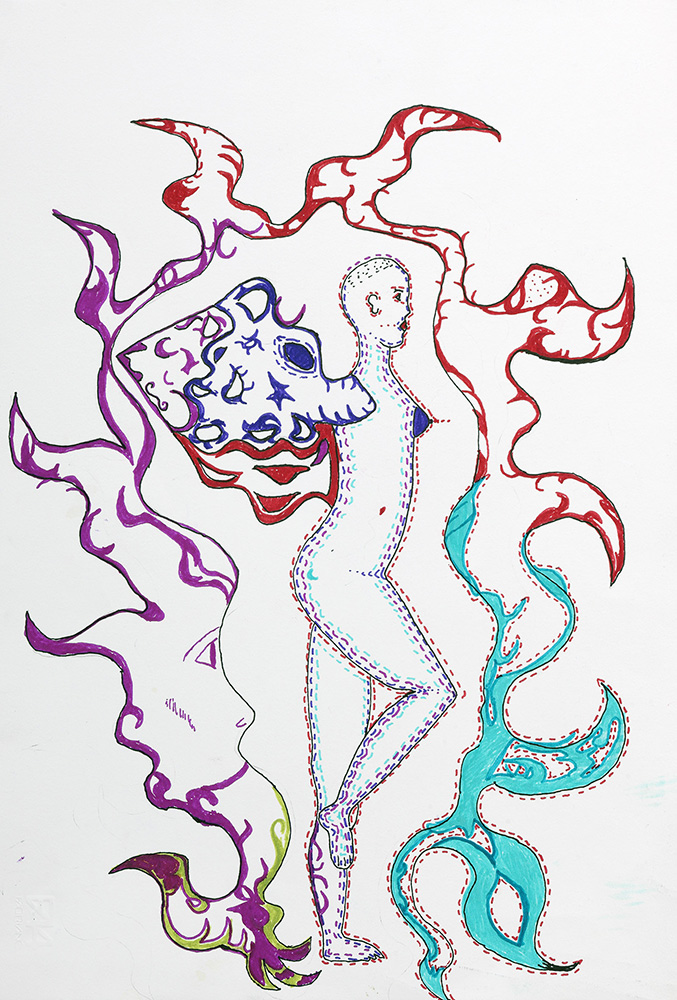
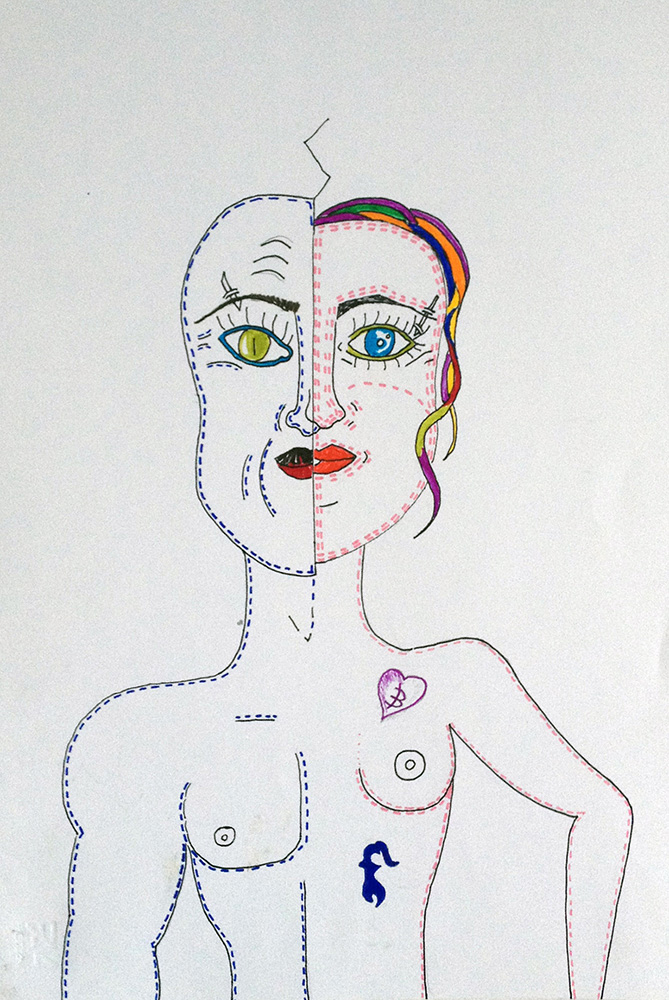
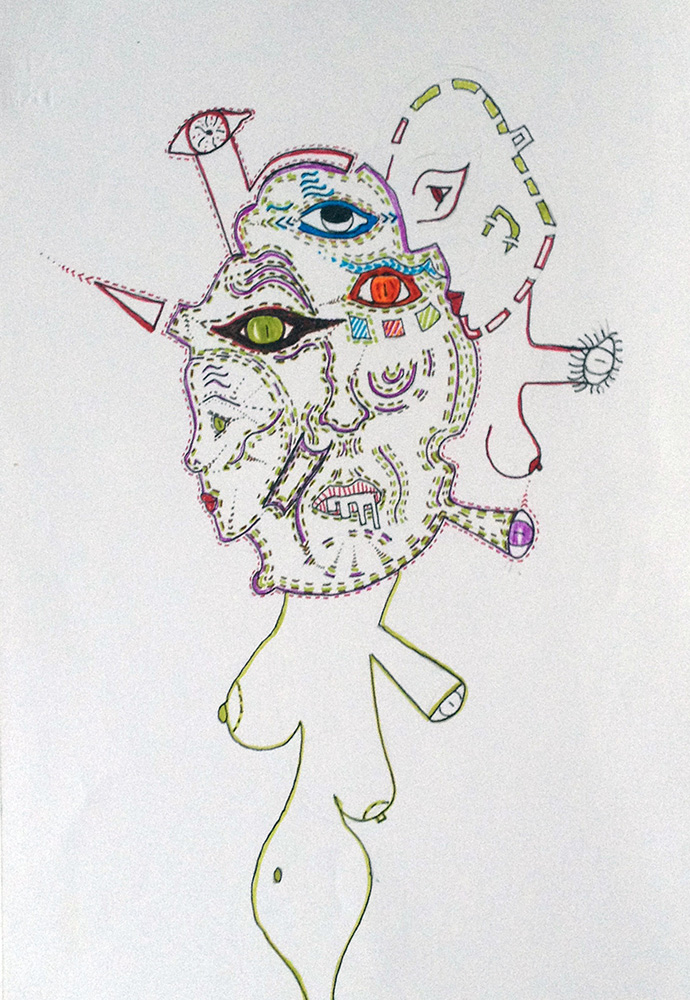
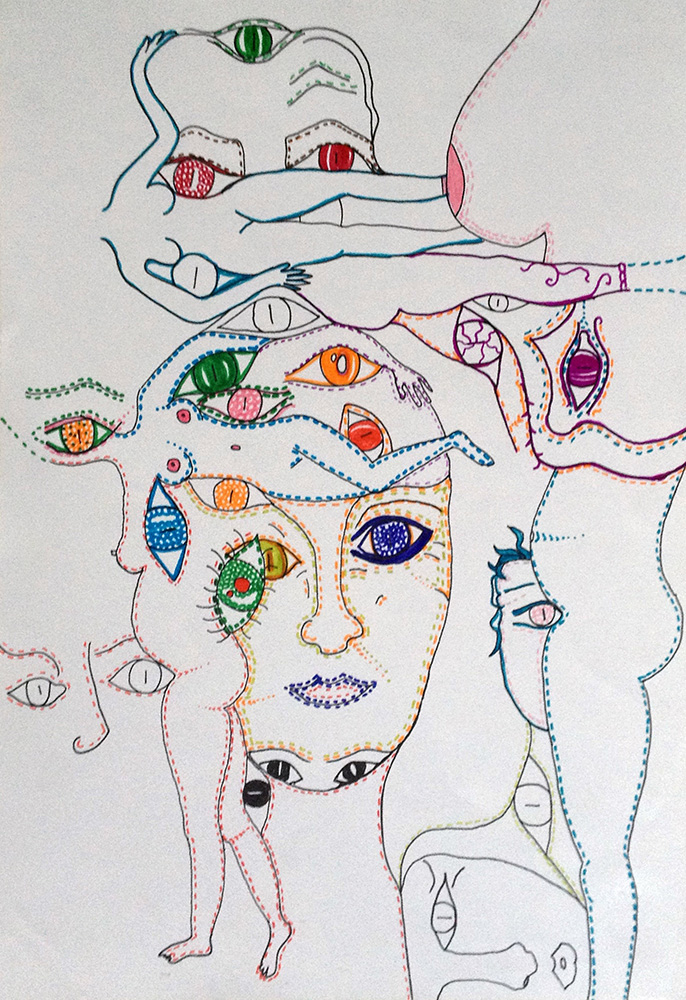
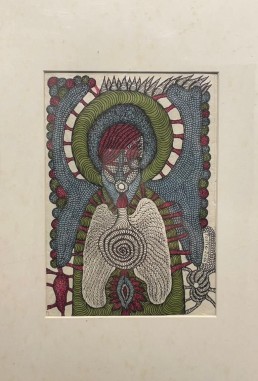
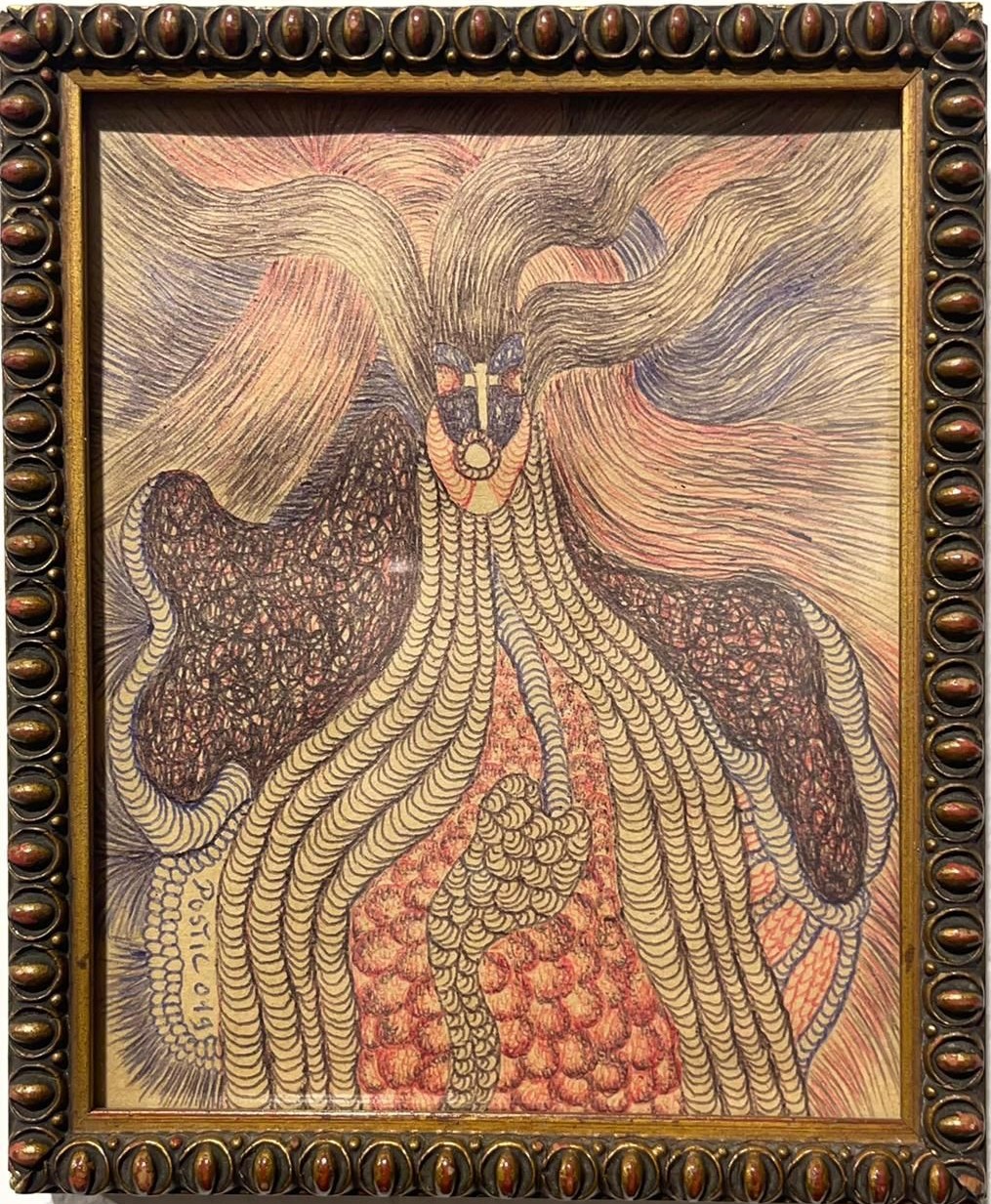
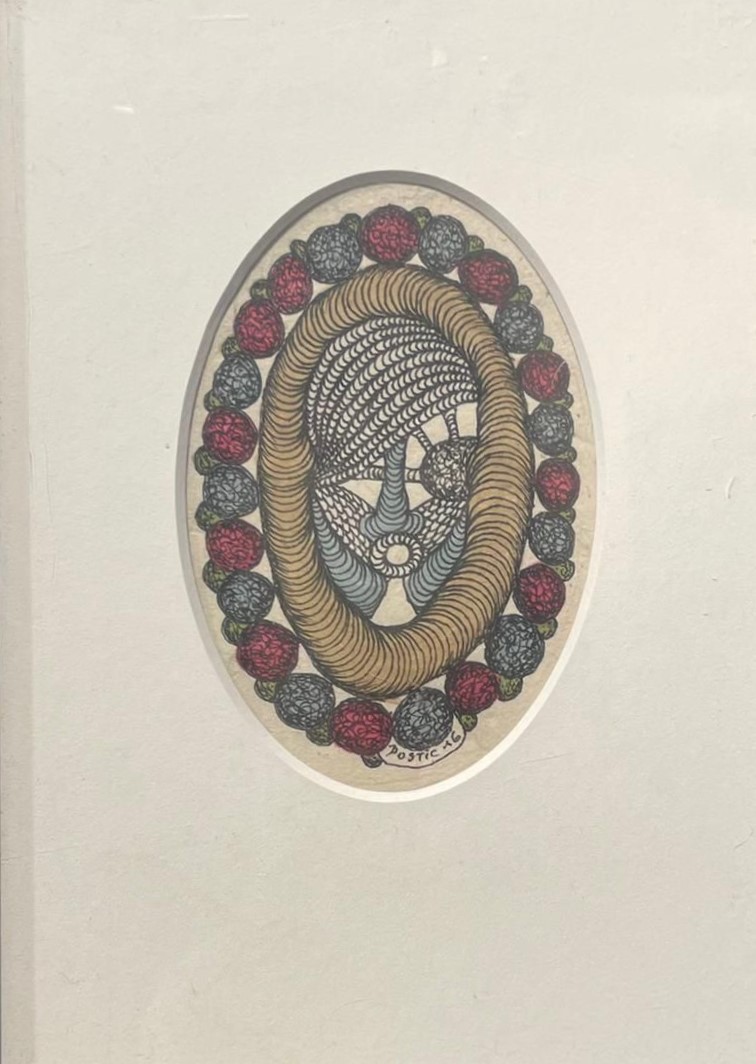
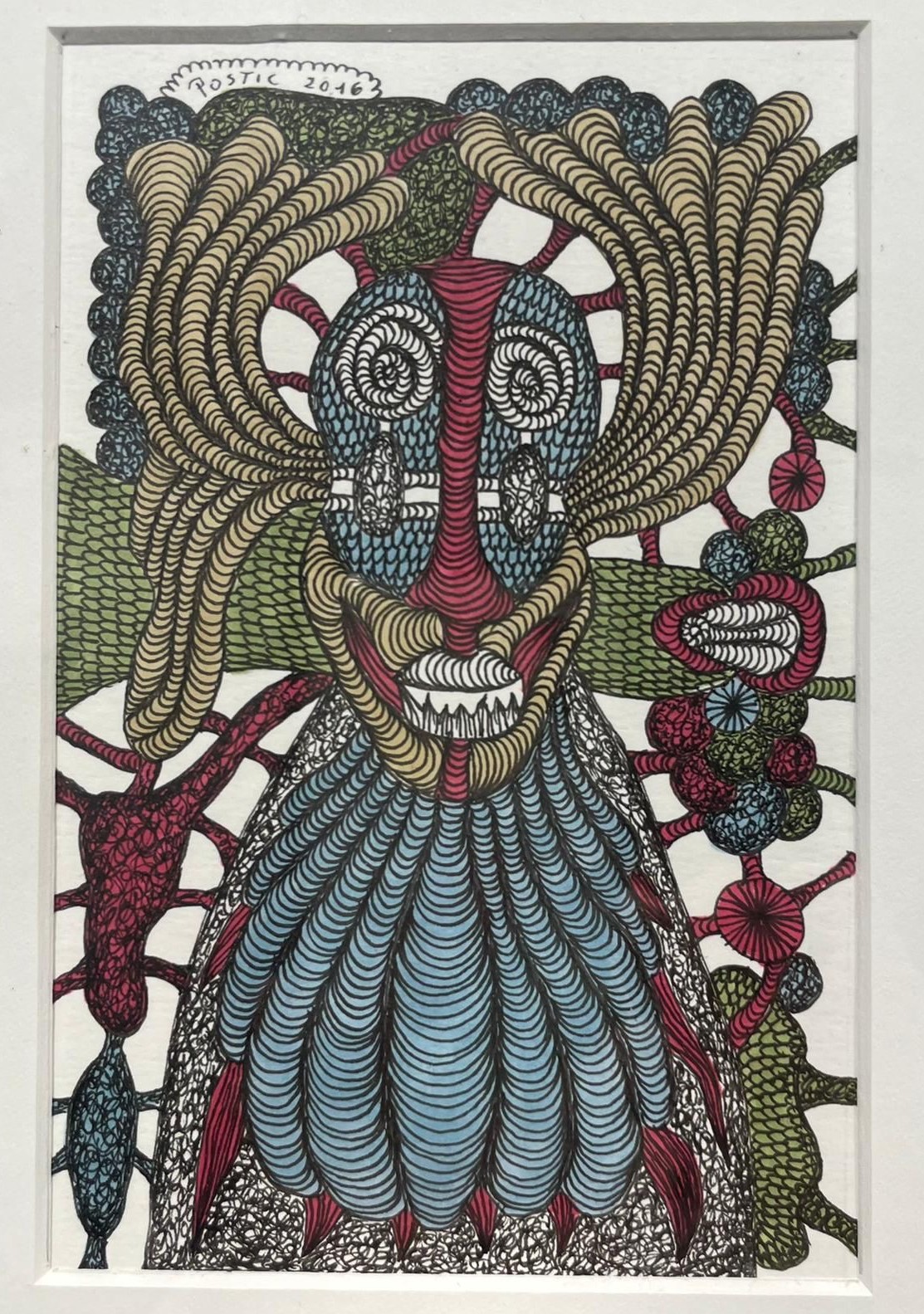
Evelyne Postic was born in 1951 in Lyon. Because of a lung disease at the age of 5 she stopped dancing – her first passion – and, due to her parents’ divorce, she was placed in several children’s homes. With a feeling of abandonment and a suffocating life lived between her grandparents and her mother, she succeeded in finding moments of escape by using paper and pencils, on the kitchen table, from which she would see the dye-work letting its colorful waters flow. She later settled in Grenoble, where she tried to escape a strenuous daily life by inventing a parallel world and beginning to paint and draw forms in which humans, animals and plants are intertwined. Attracted by biology and science, she focuses on the living creature’s adaptation to a changing environment in order to survive. Like a river held back for too long, she works by day and creates nonstop by night.

Lorenzo Filardi
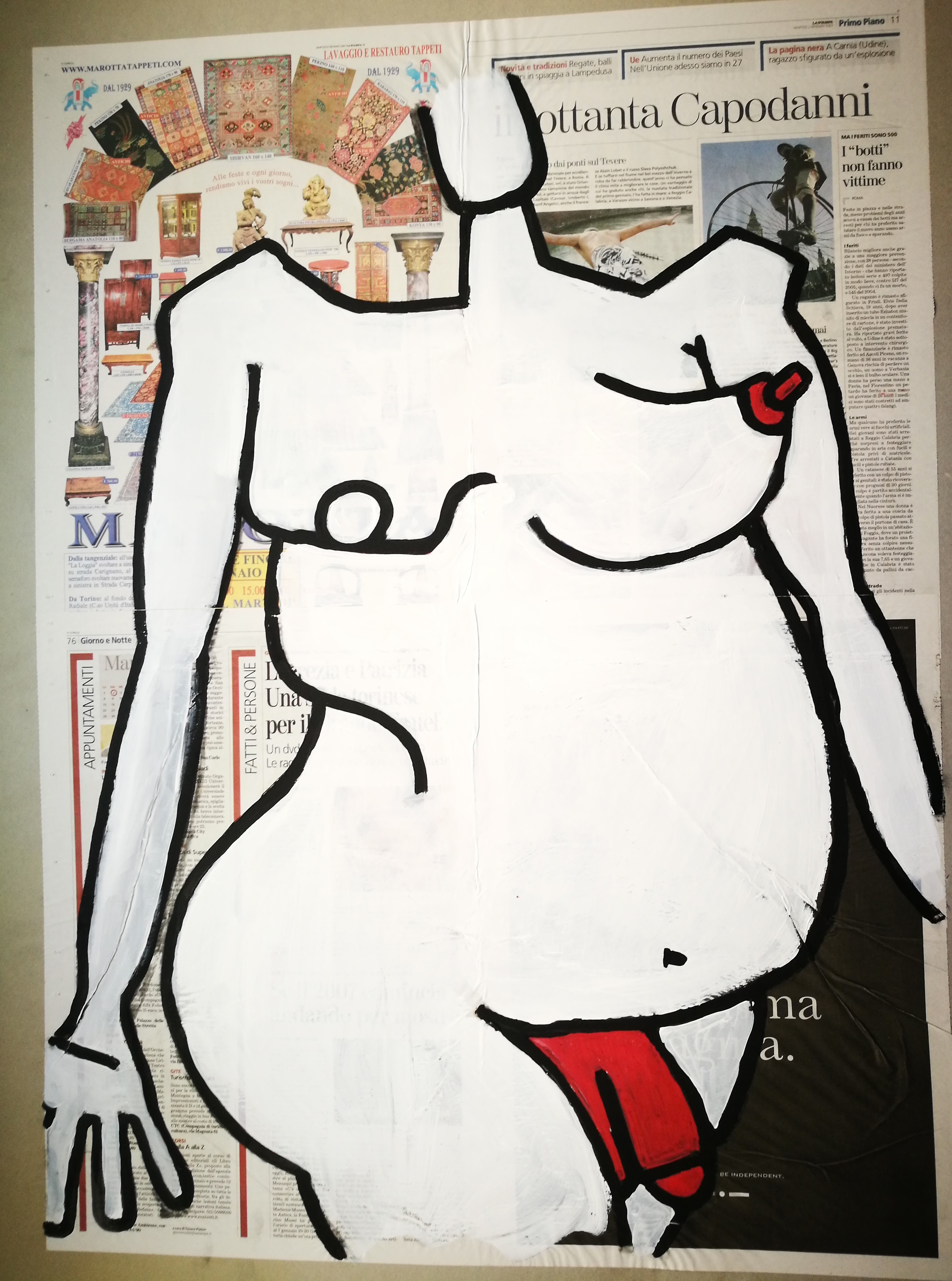
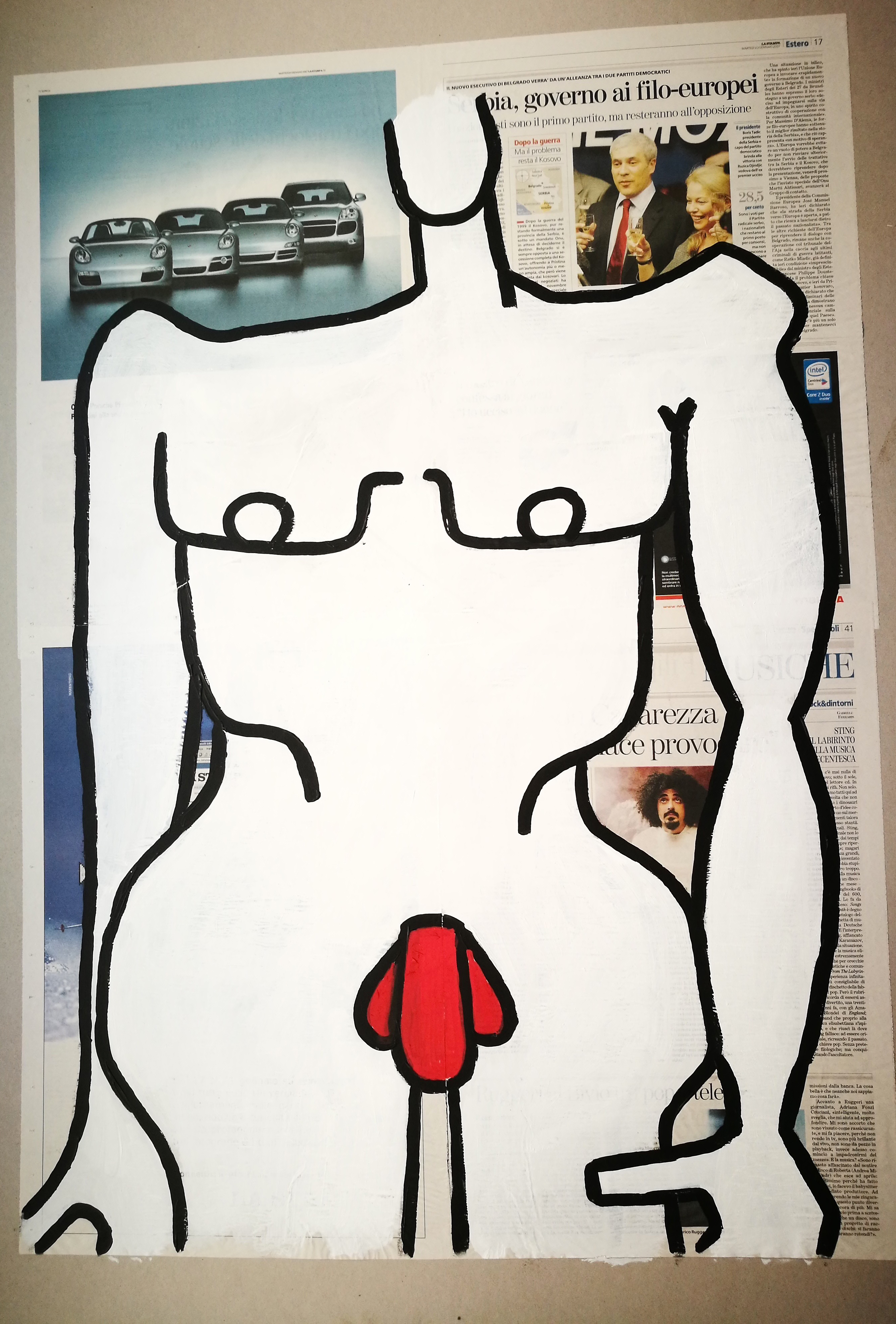
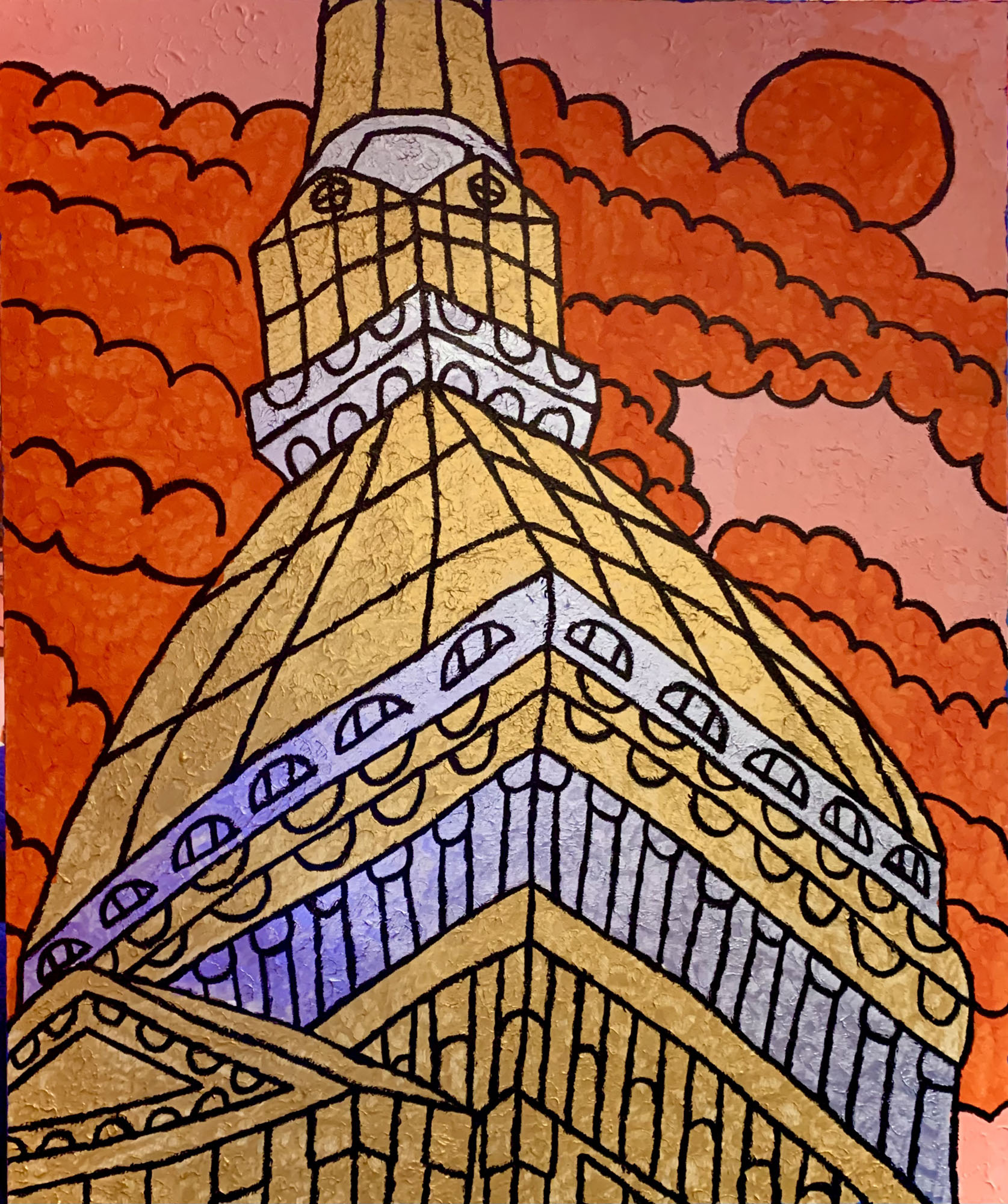
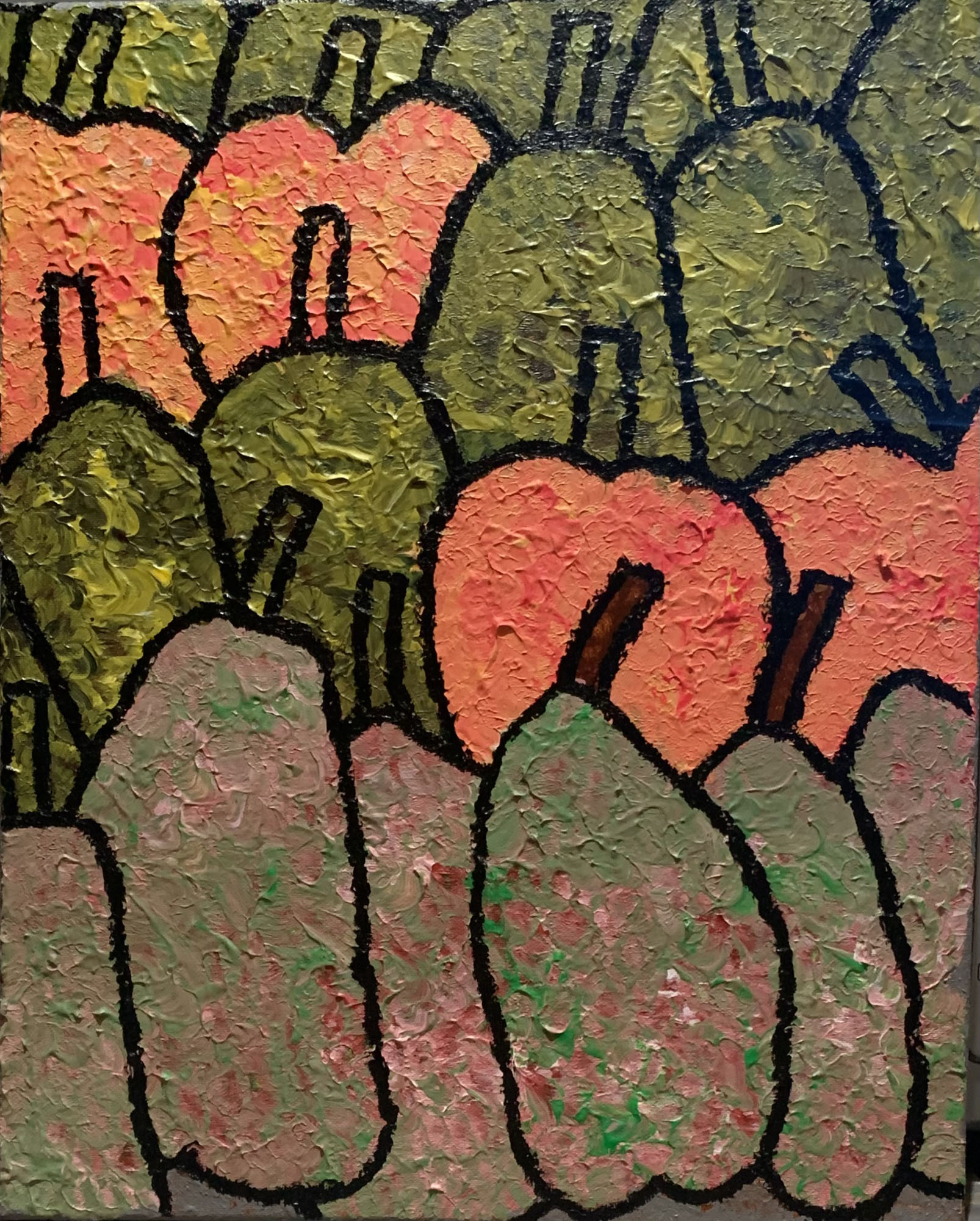
Lorenzo Filardi was born in Ciriè, Turin, in 1995. Since childhood, he has been fixing on paper the images suggested by his thought, defining them within sharp outlines confining wide backgrounds of saturated colors. Details are developed into fantastic frames that continue, ideally, into an infinite space beyond the sheet or canvas. Filardi works on large dimensions, preferring to represent urban spaces, churches, utensils, sports and medical situations, family and religious gatherings in which he participates; his painting is also nourished by a particular interest in news events. Since 2015, he has been attending La Galleria/Città Workshop in Turin, the studio of architect Cesare Griffa, and is a member of the L’Orobilogio SER of the Stranaidea Cooperative.
He has been present in Trailer, a traveling group show of the project Mai Visti e Altre Storie (www.maivisti.it), since its first stage in 2014; in the same year he exhibited at Punti di Vista, InGenio Arte Contemporanea.
In 2015 he took part in the workshop E’ come scrivere su un foglio curvo with artist Marco Cordero, curated by Opere Scelte gallery at InGenio Arte Contemporanea and in the project Stazione Ginzburg, at PARI, Polo delle Arti Relazionali e Irregolari at Palazzo Barolo. Both initiatives were in collaboration with Primo Liceo Artistico and Laboratorio La Galleria. In 2015 he was present with a drawing performance at Ars Captiva, ex Manifatture Tabacchi and at Io espongo, Azimut. In 2016 he was among the artists chosen for the exhibition on autism The Ghost of the Spectrum, curated by Sara Boggio, at PARI, Polo delle Arti Relazionali e Irregolari di Palazzo Barolo and InGenio Arte Contemporanea, and he was among the authors published in No. 22 of the international illustration magazine Nu®ant. In 2017, with other artists he took part in Straordinariamente, curated by Roberto Mastroianni, InGenio Arte Contemporanea.
His works are preserved in the Never Seen Archive of the City of Turin and at the Gliacrobati Gallery.

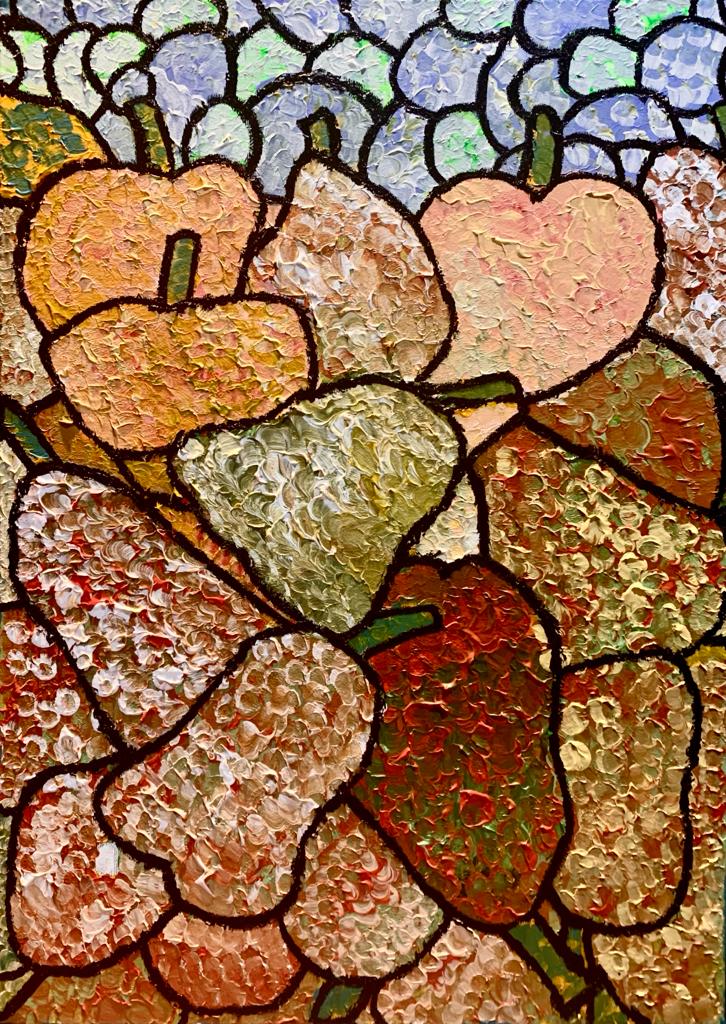


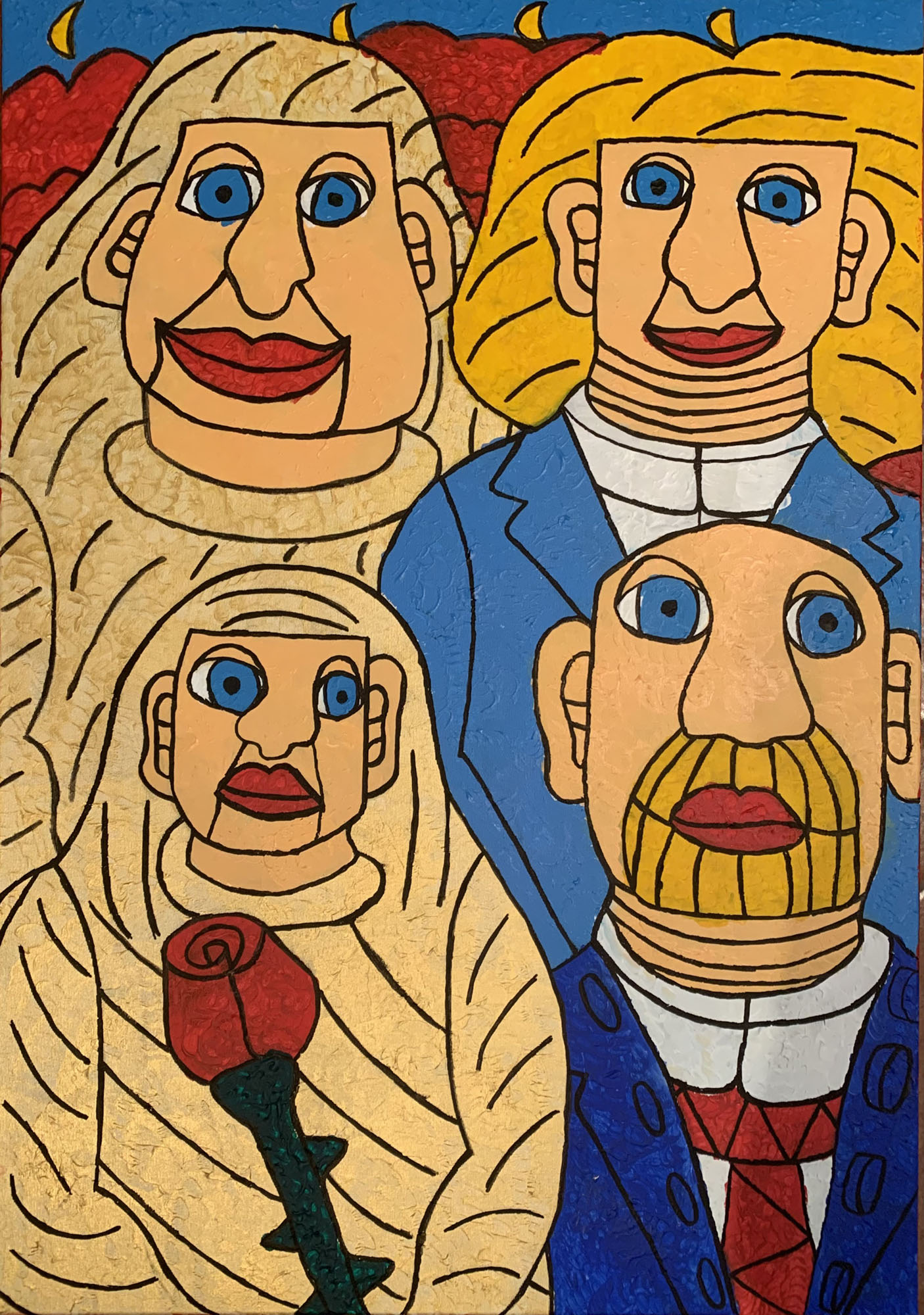
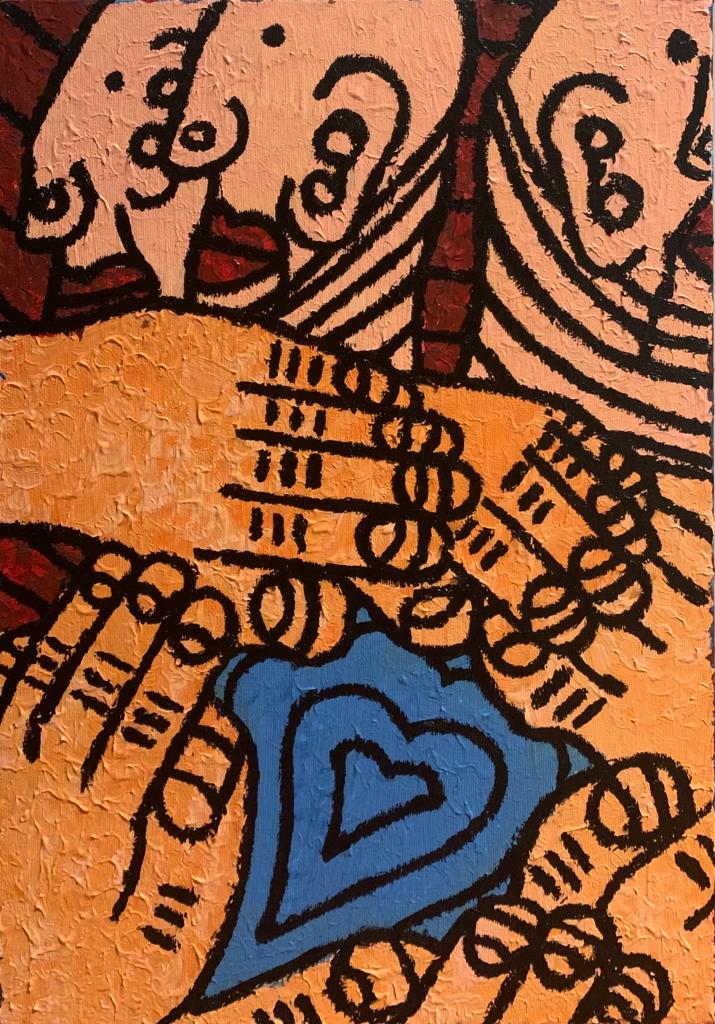

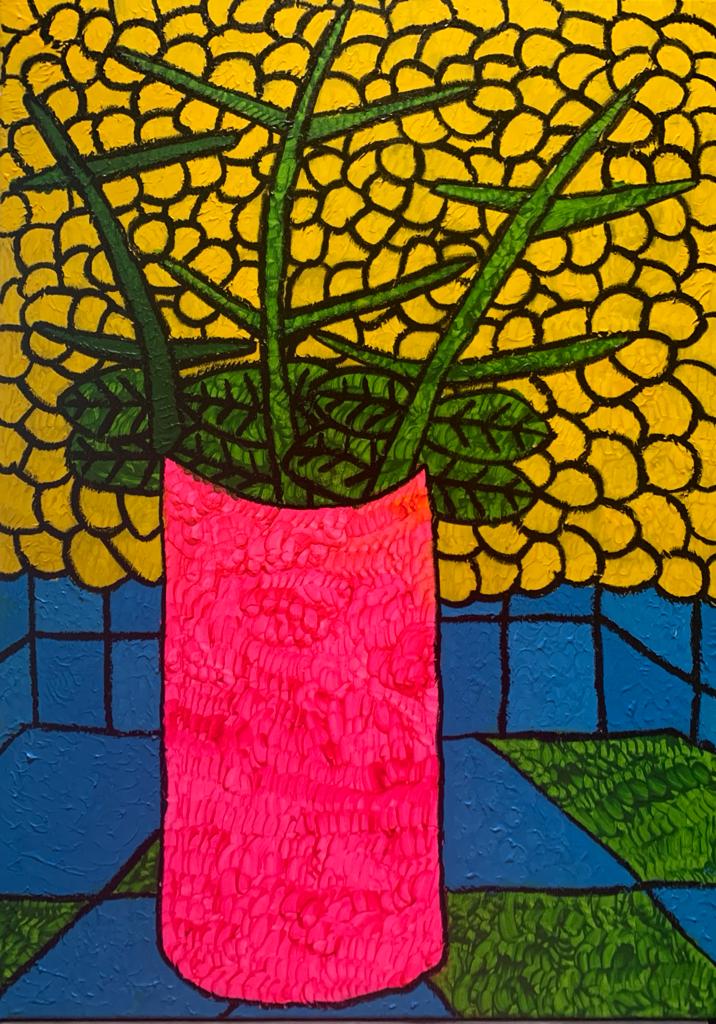

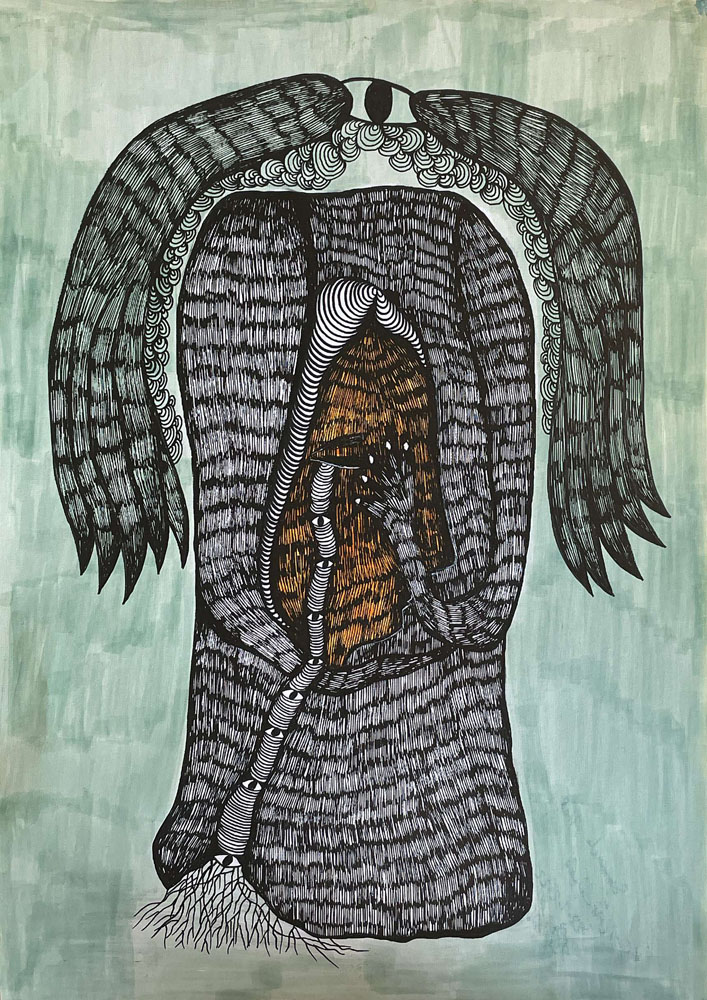
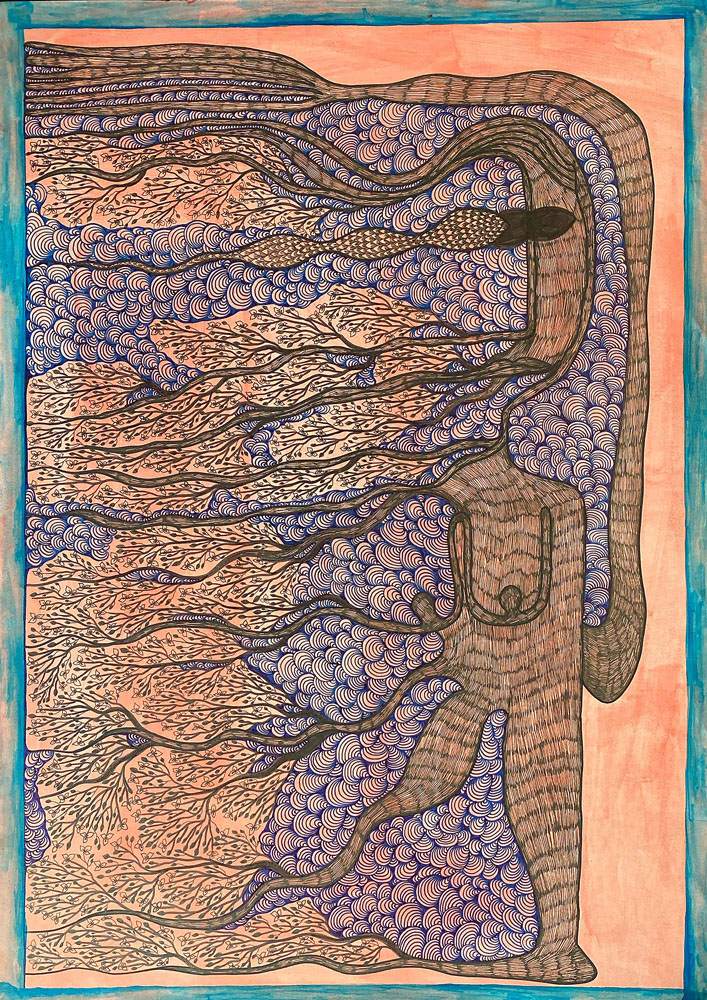
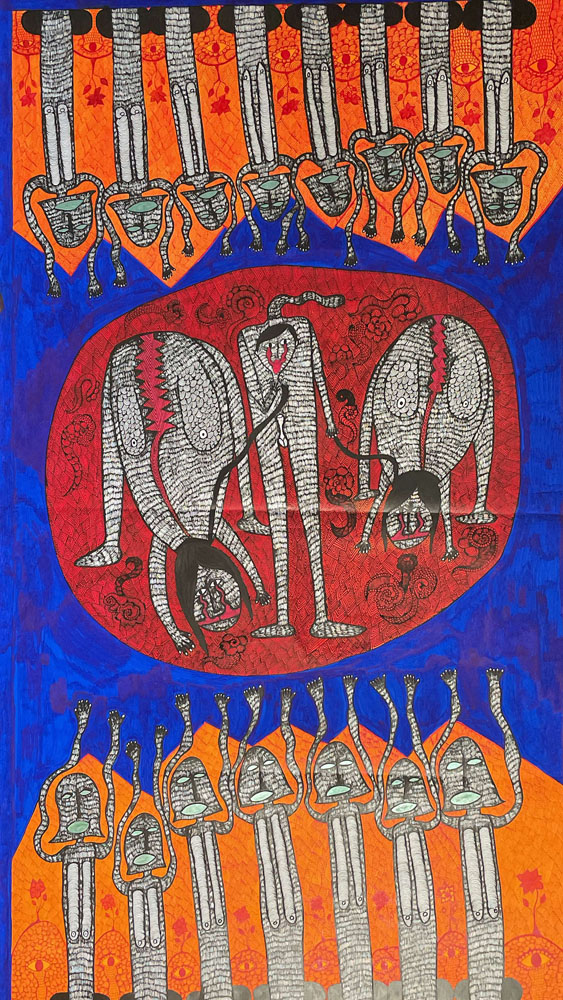
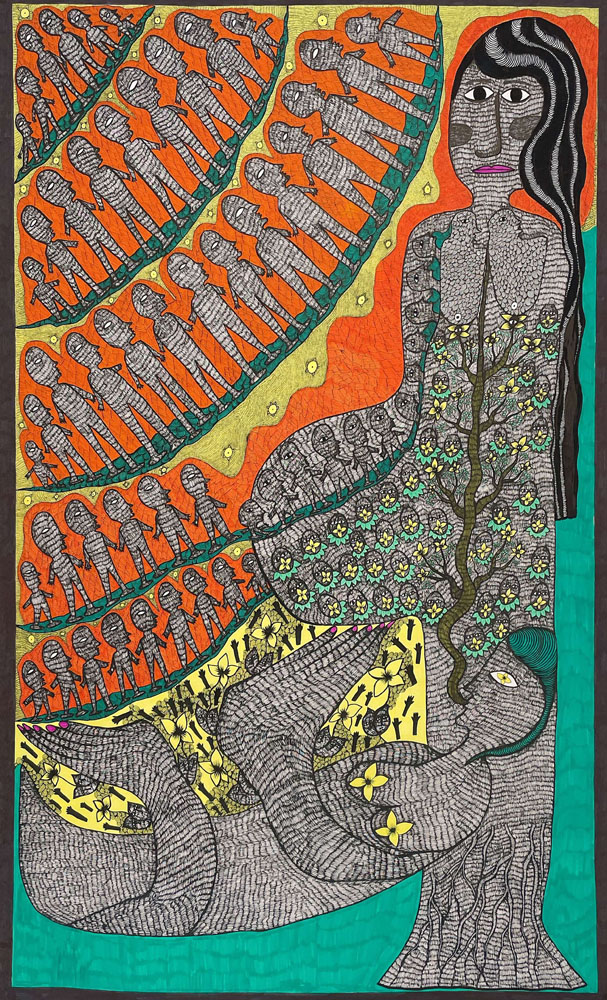
Samaneh Atef
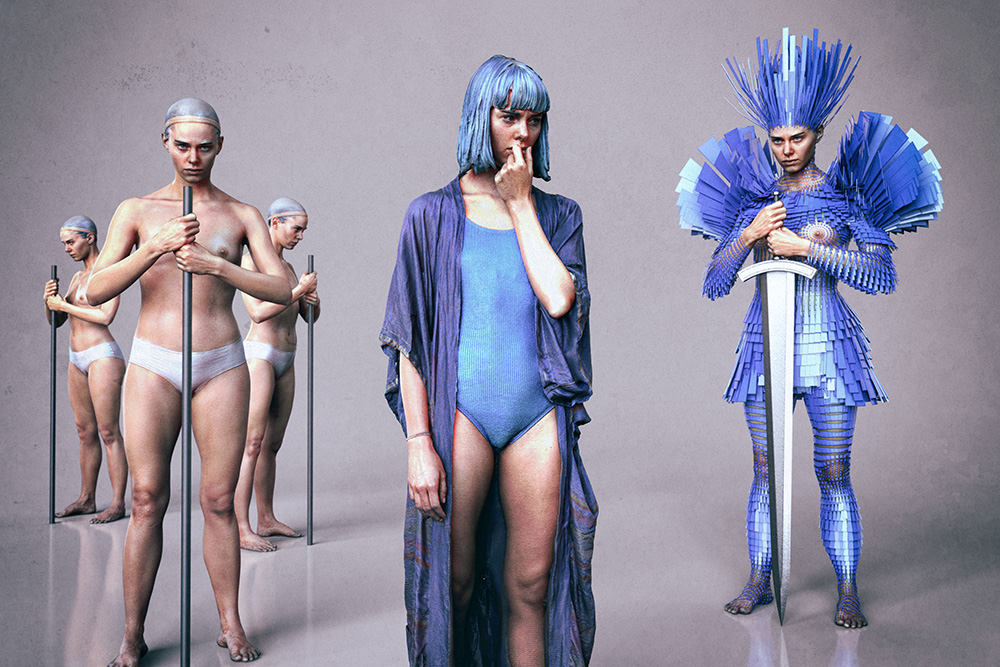
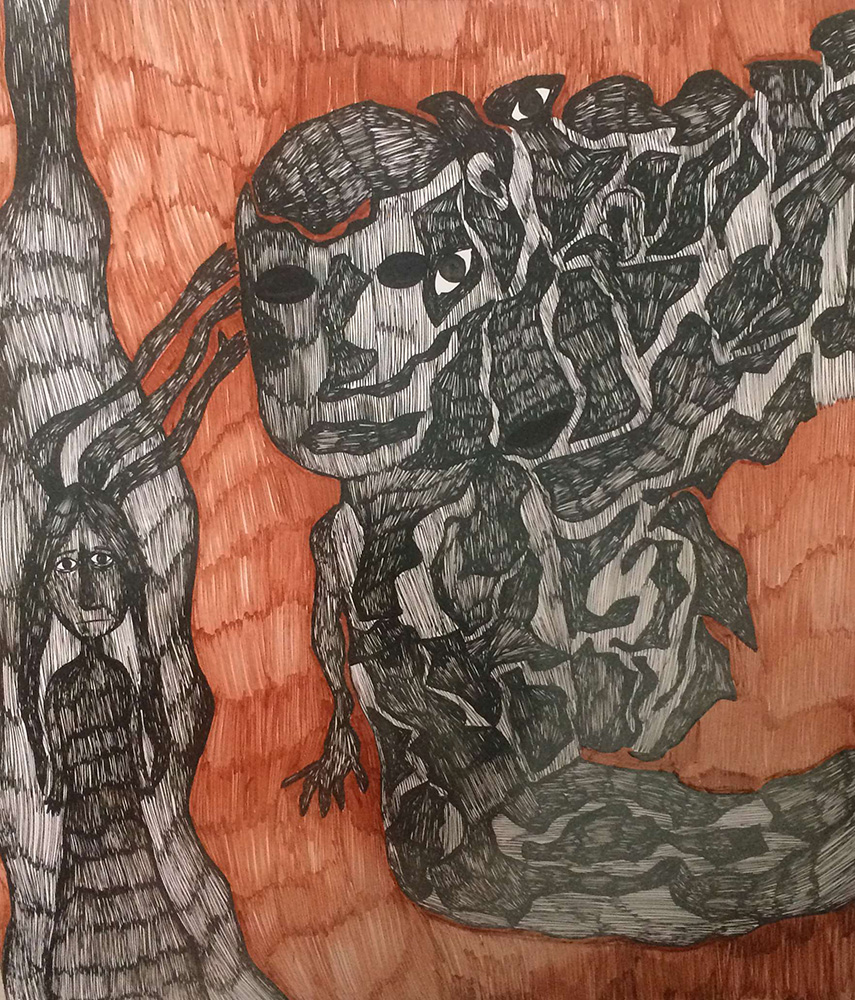
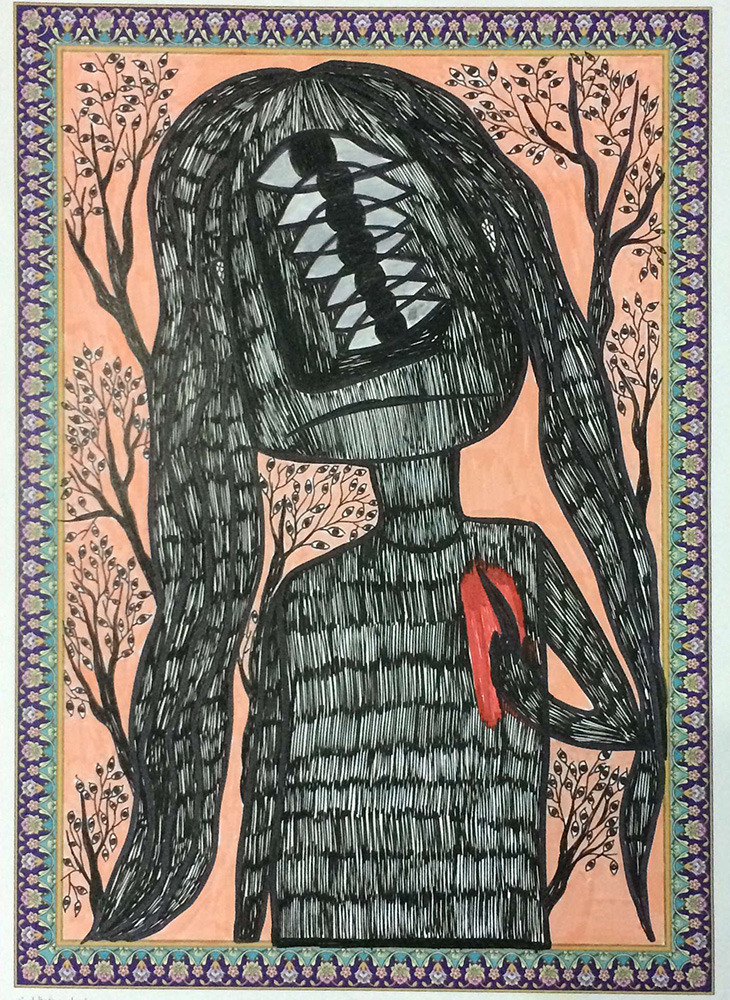
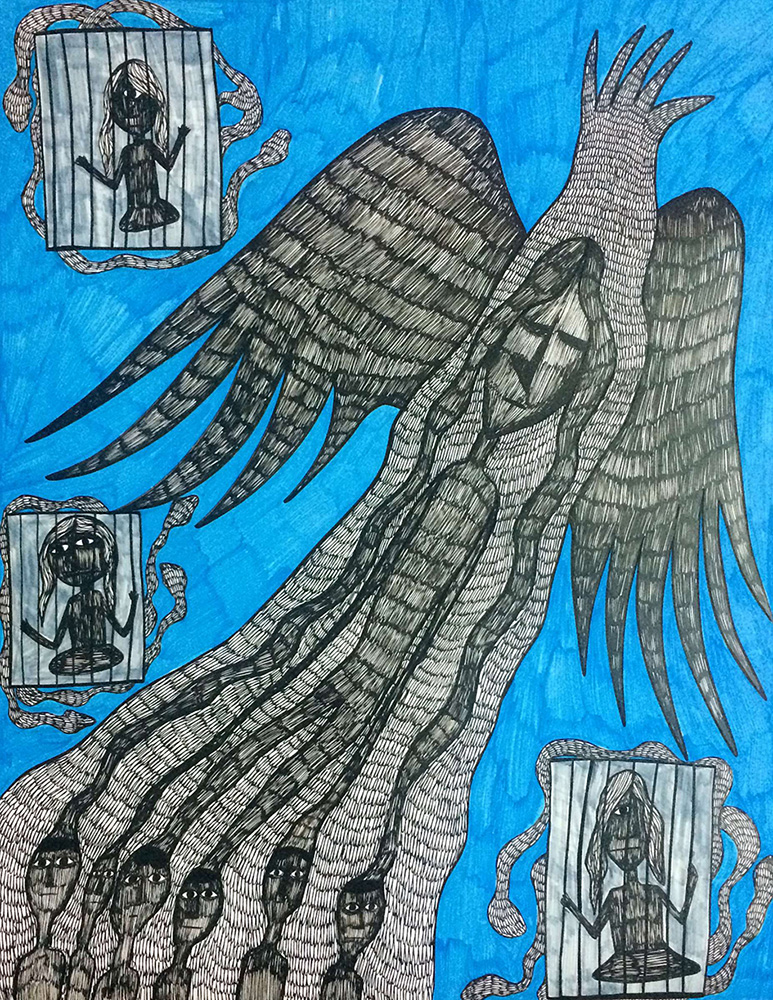
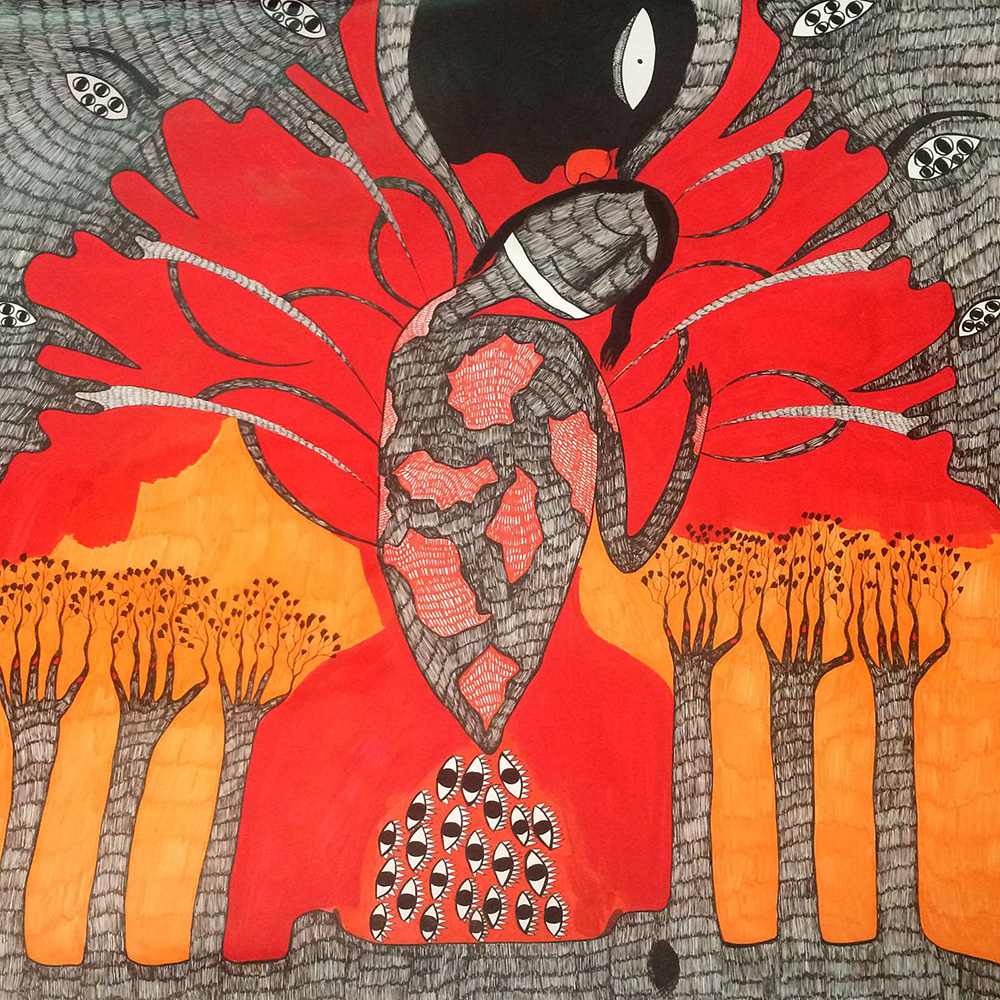
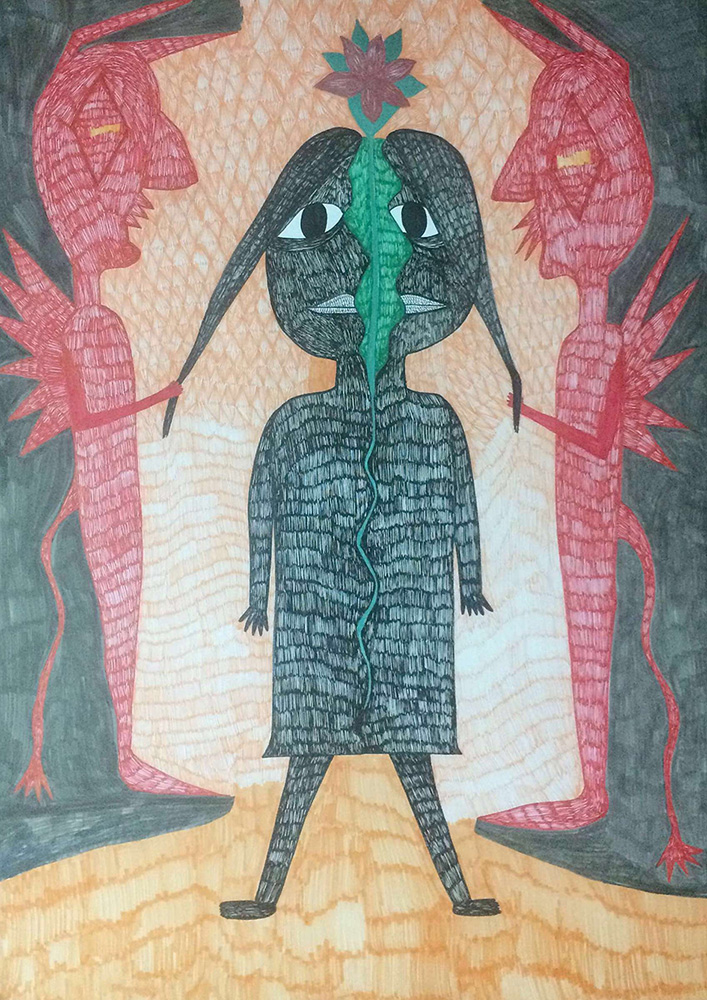
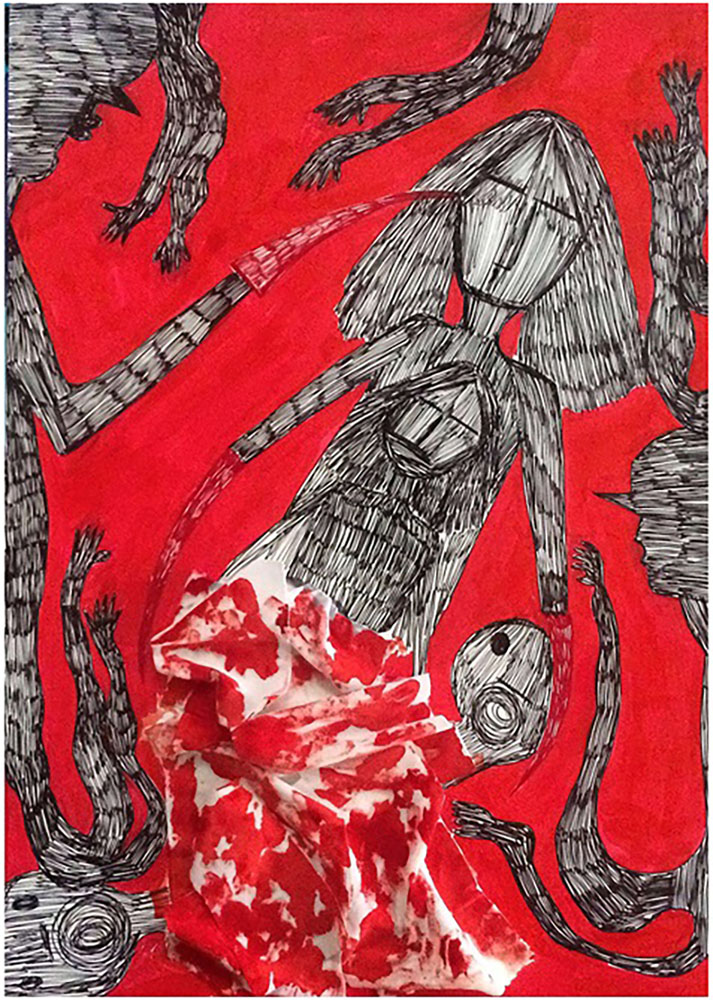
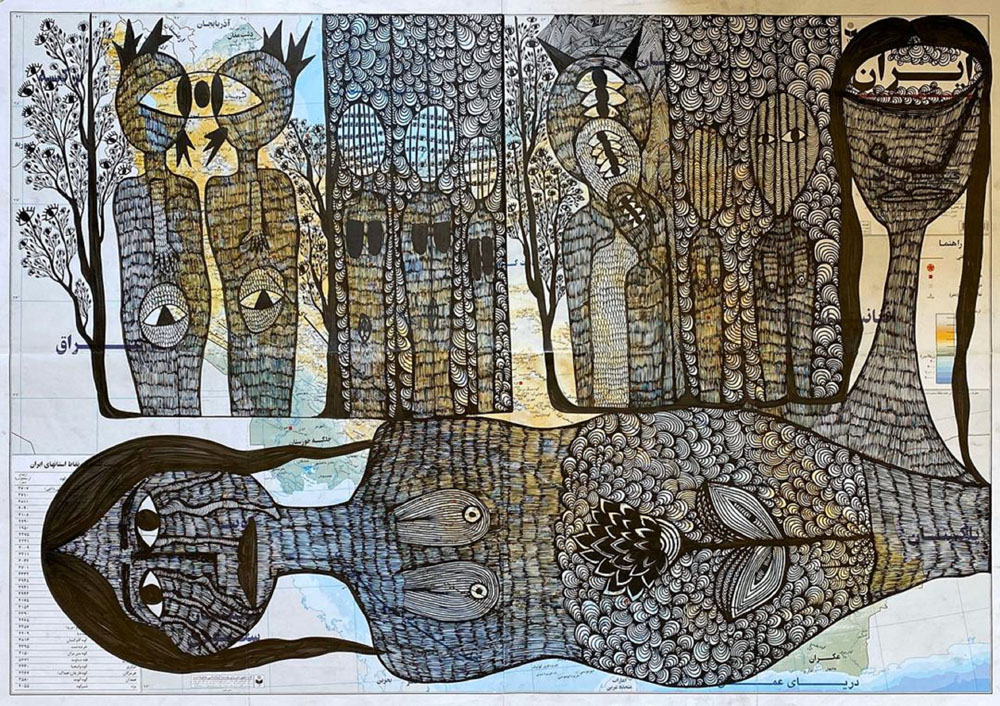
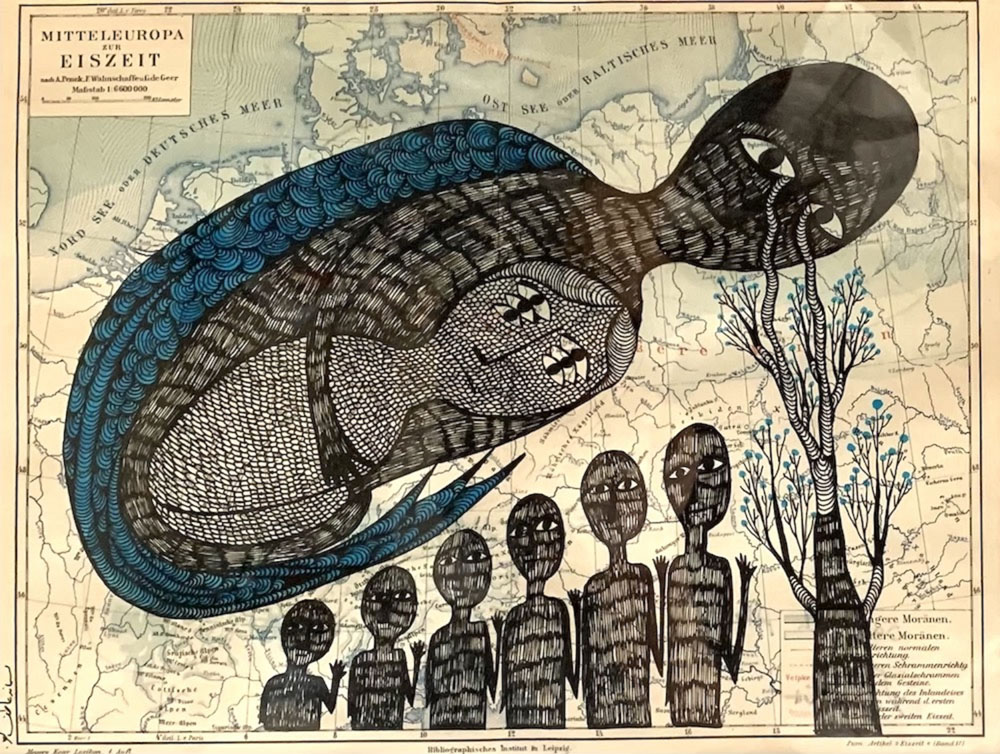
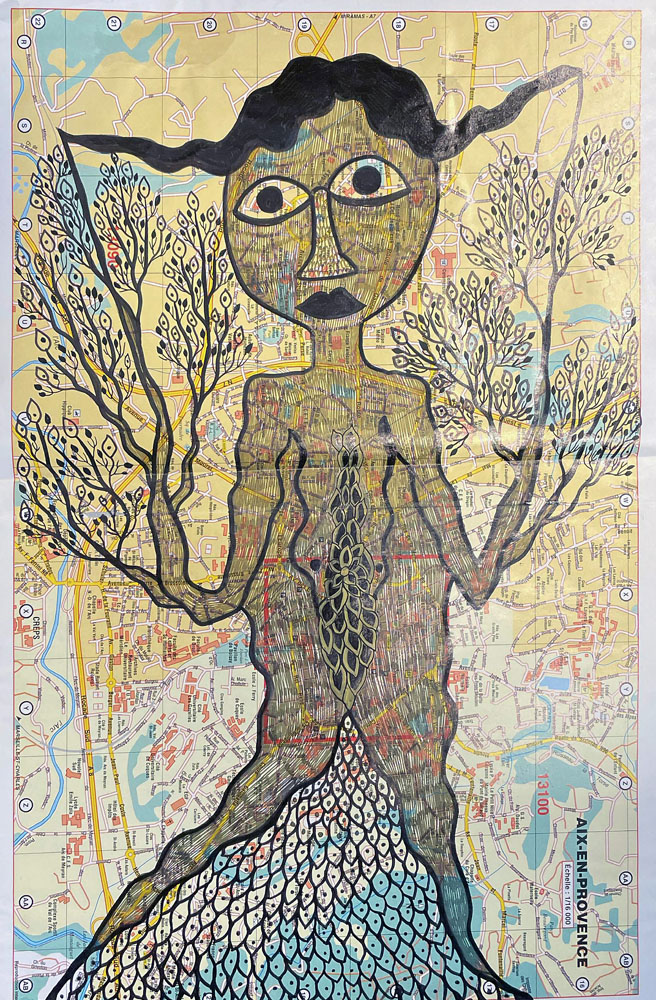
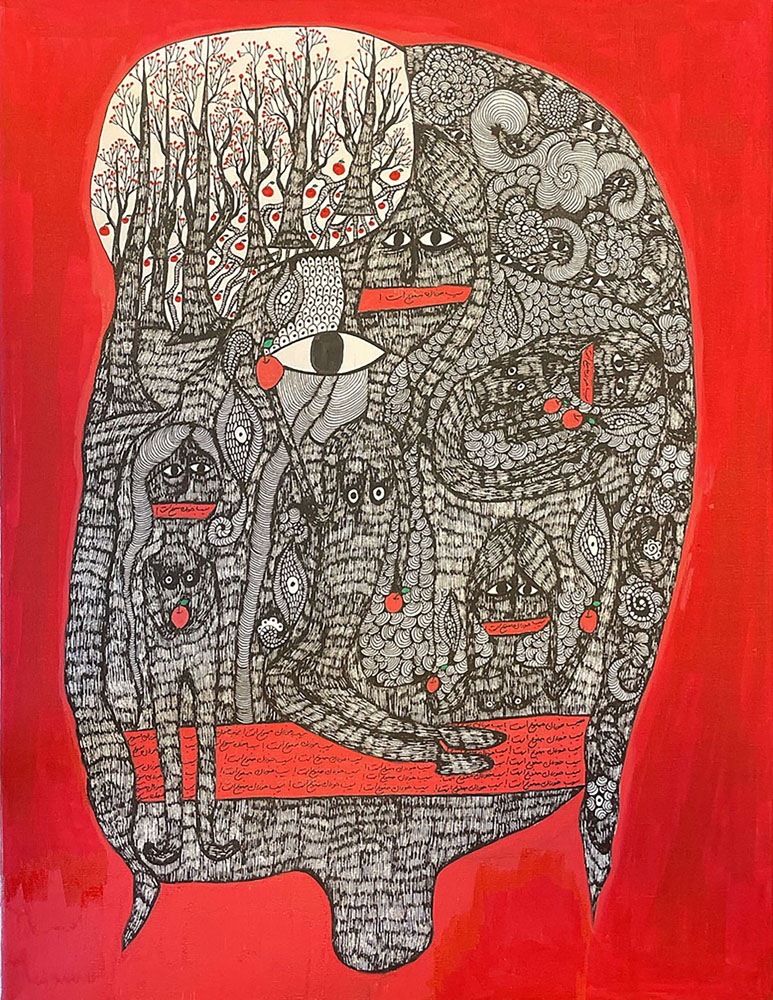
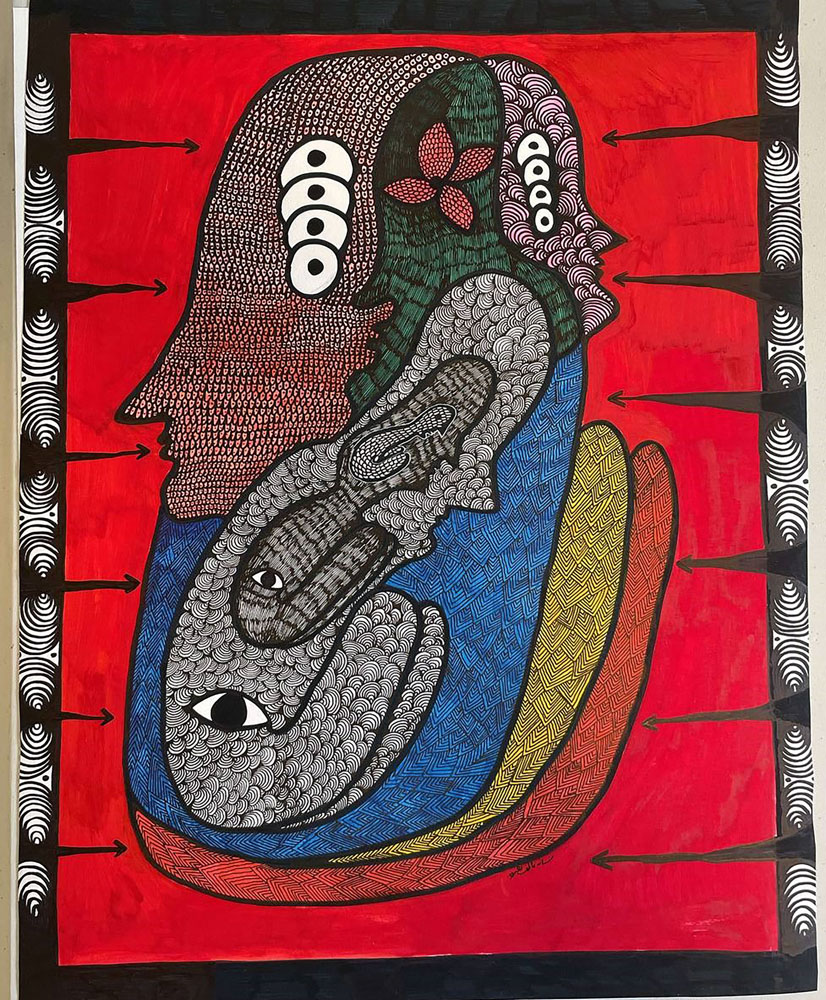
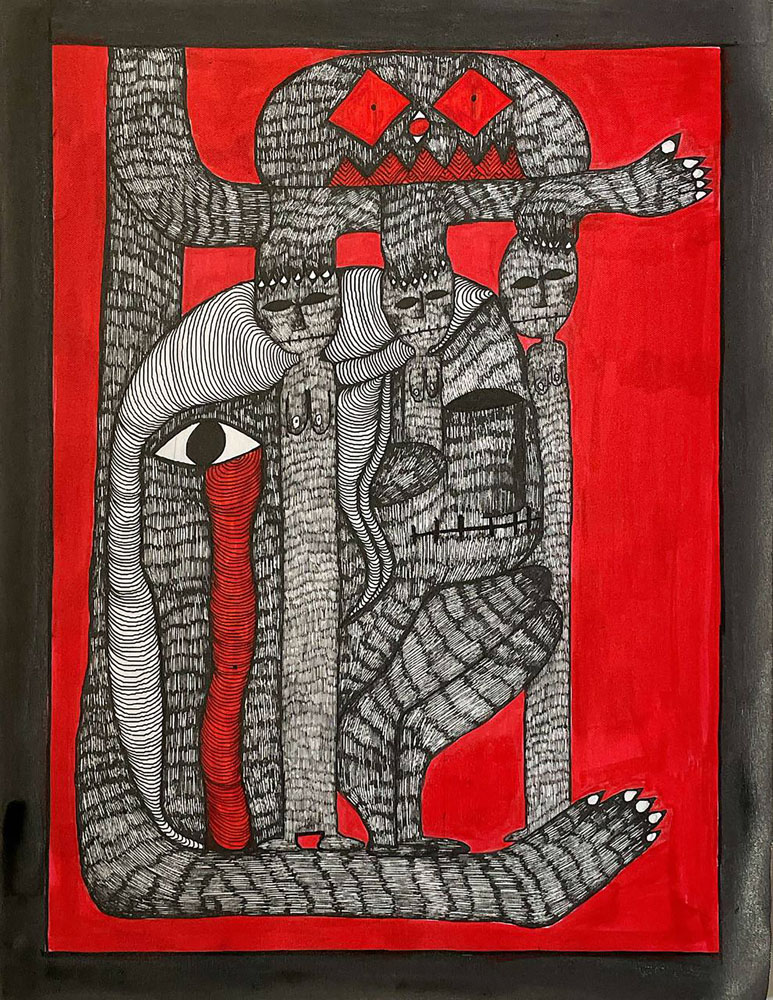
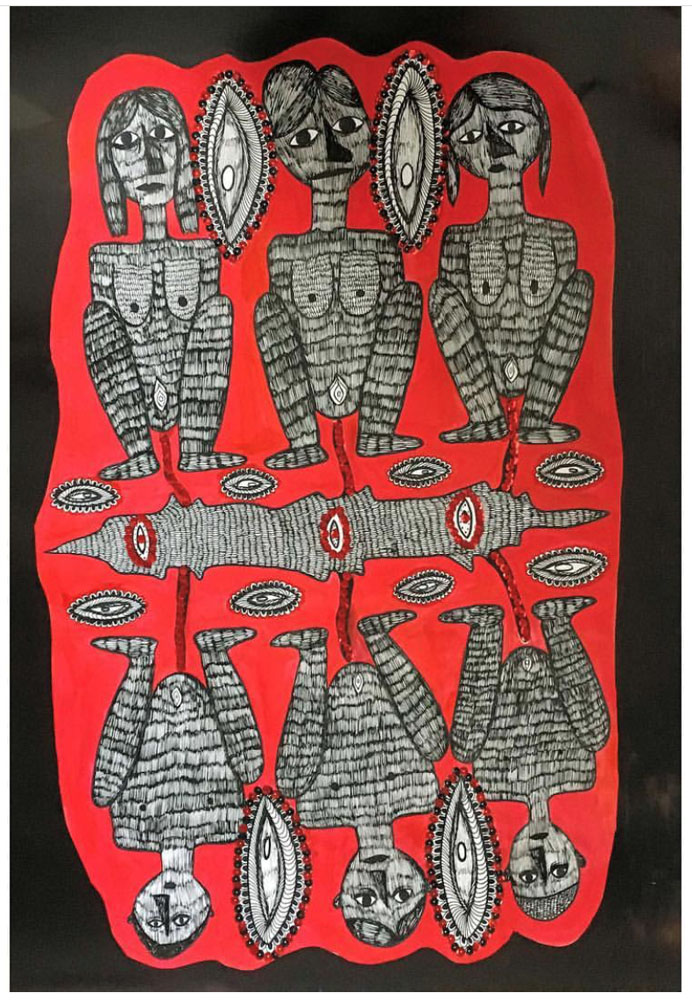
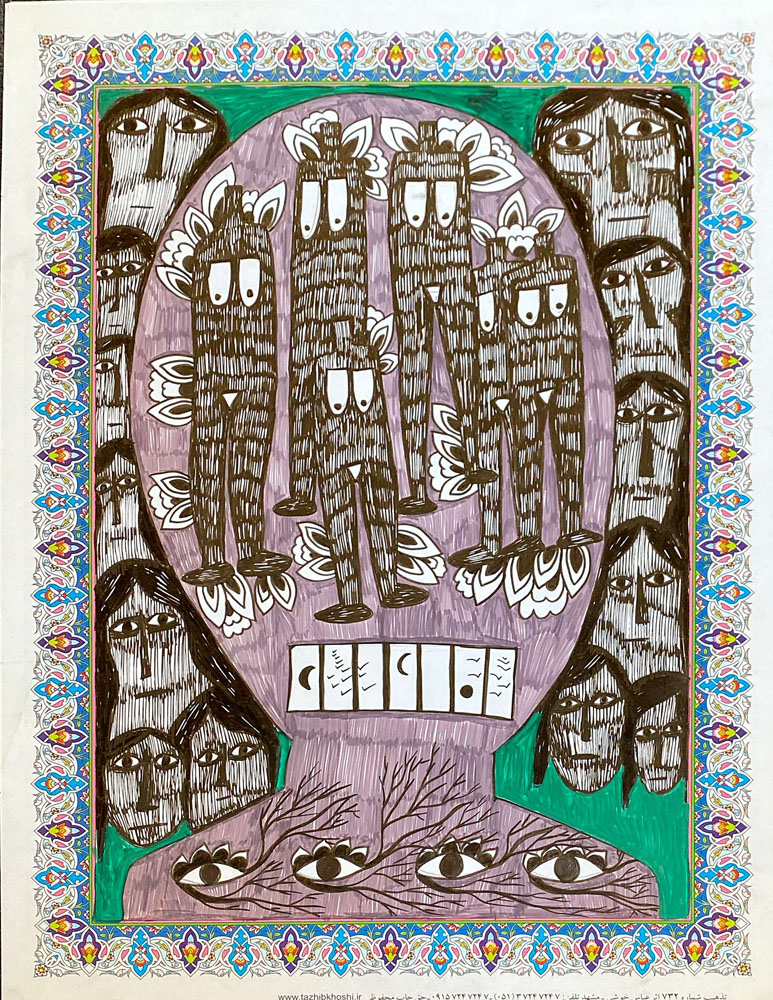
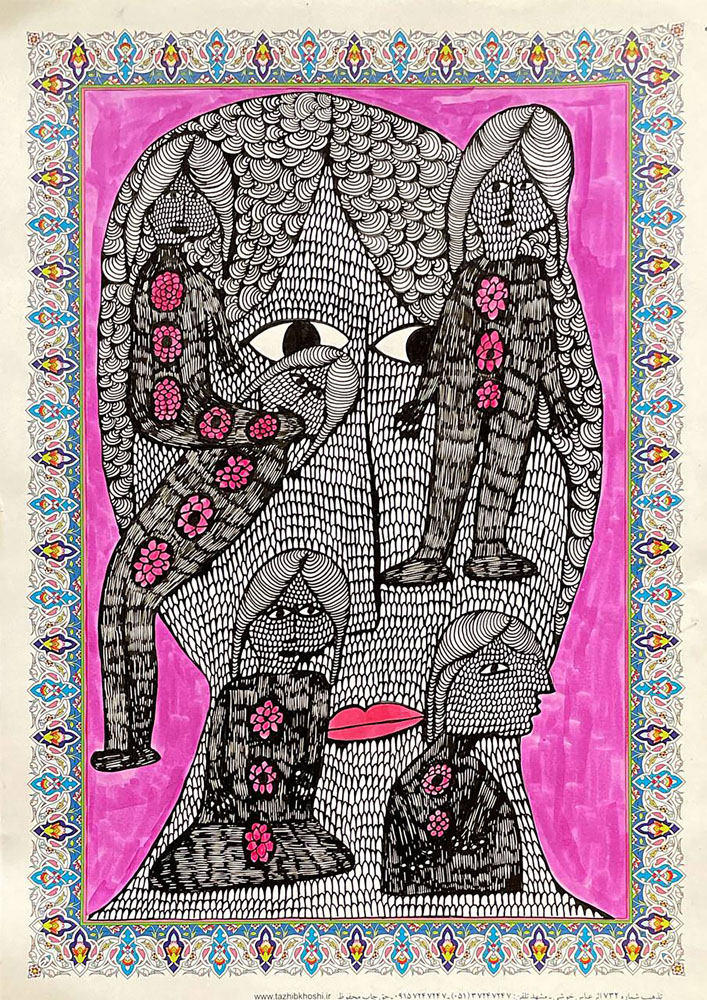
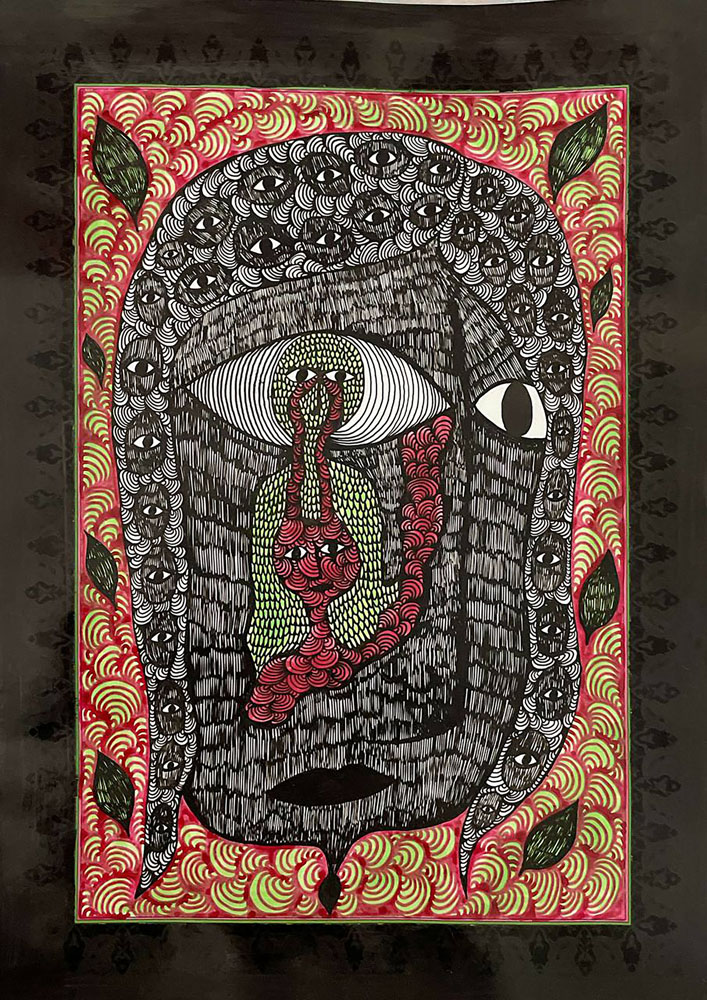
Samaneh Atef was born in 1989 in the northern part of Iran. Although she had trained to be a software engineer, in 2014 she decided to devote all her time to her drawings, which she had been creating compulsively since she was a child. This turning point in her life came after a ‘real artist,’ as she referred to him, saw her drawings and encouraged her to keep creating. In her paintings she experiments with different techniques. The recurring image in her iconographies is the female figure, investigated through its symbolic value, traced back to the analysis of its archetypes: an eternal representation of the feminine according to the most representative dualities of its mythological and symbolic references, namely as fighter and victim, as child and mother, as human being and demon.













Oby One
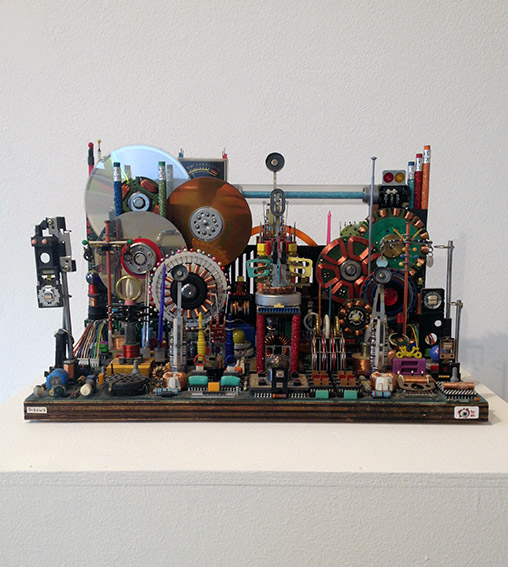
Oby One (whose real name was Roberto Zaiacometti) was born in Ivrea in 1948 and lived in Cascinette d’Ivrea in the province of Turin until his death in 2015. Oby, the name the artist was given by his friends, is an abbreviation of Roberto to which he added One to emphasize the original uniqueness of his production. He created the signature for his works by replacing the two Os with an eye. Oby One started drawing in the mid-seventies during the work breaks at the printing company where he worked. When he was near retirement age, in the early years of the twenty-first century, he began to produce three-dimensional works of art: Triumphs, Trophies and, above all, mythical Cities of the Future, constructions of realistic worlds. Maquettes built from scratch using waste materials, these Cities of the Future in which the imagination runs wild, in which the more or less everyday objects are the tools of a radical eclecticism that absorbs everything in a fantastic, happy and rhythmically intense “vision”, are the means through which the artist satisfies his need for eloquence and to flow into expressiveness. The paradoxical realism of these works lies precisely in the heteroglossia of the language so that each material used not only composes the whole object but speaks to us as a fragment of the absence of what it comes from and of a fragmented being, the artist, and of his ability to recompose himself through the idea, the intuition, the game, losing himself in an immense polymorphism.


Cosimo Cavallo
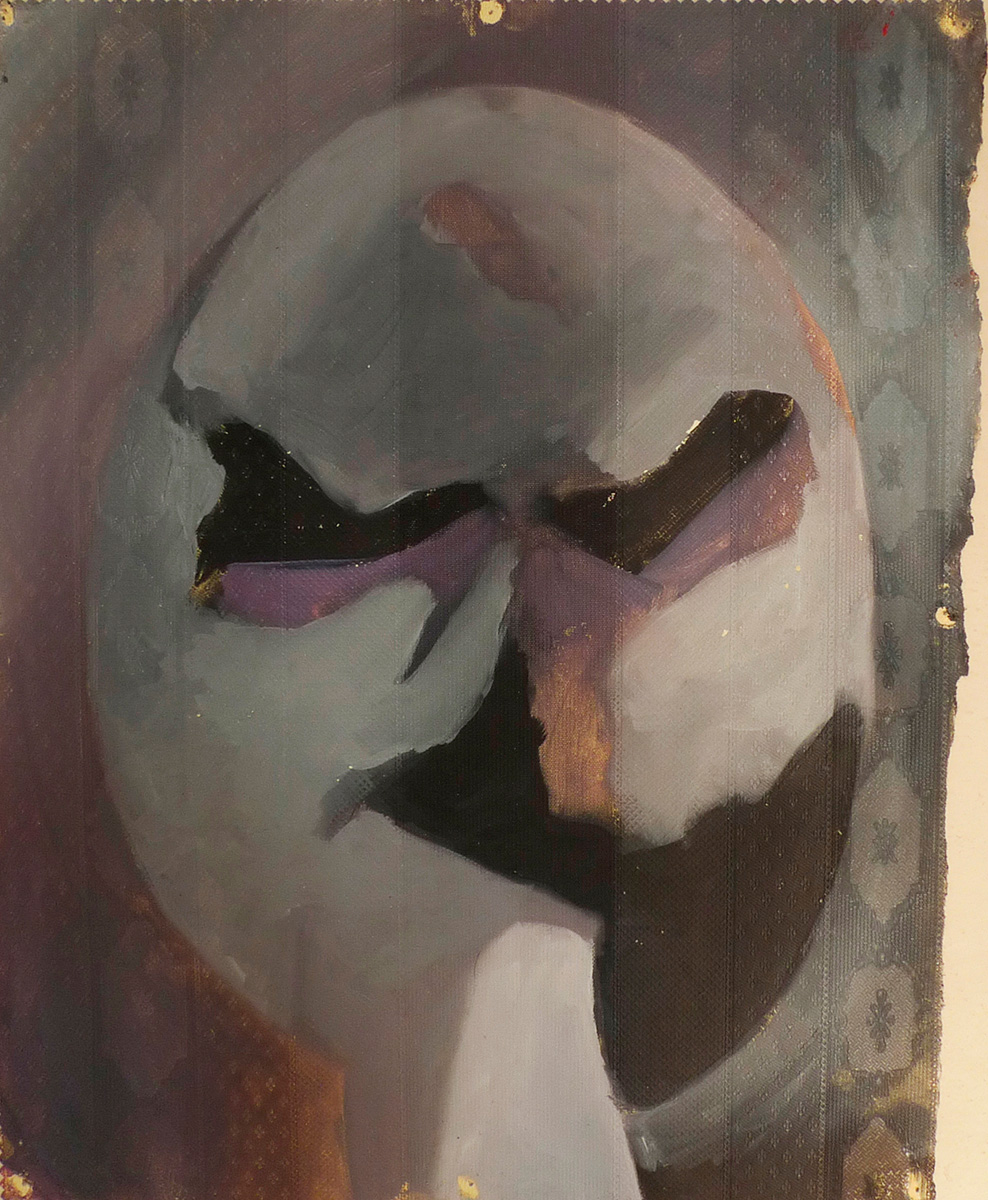
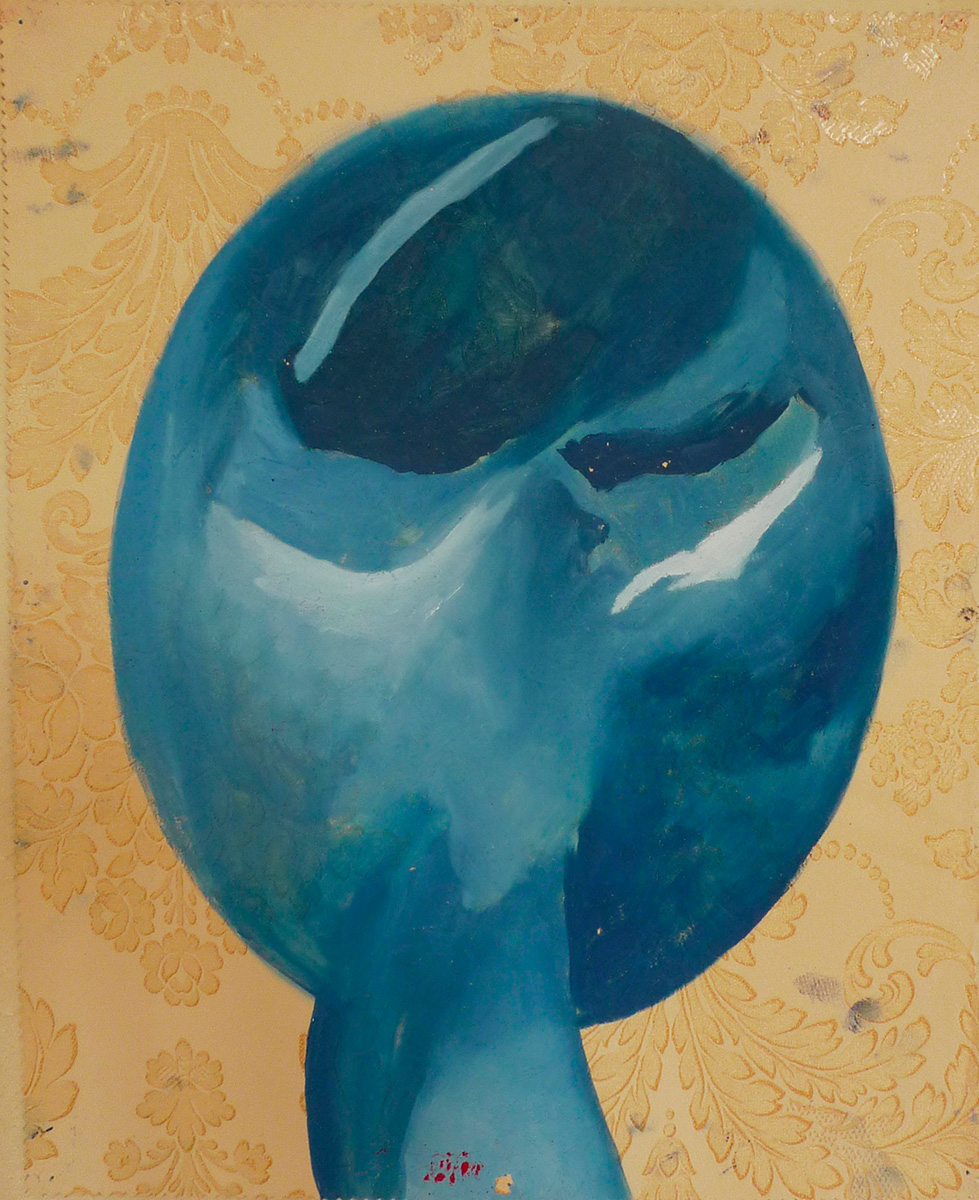
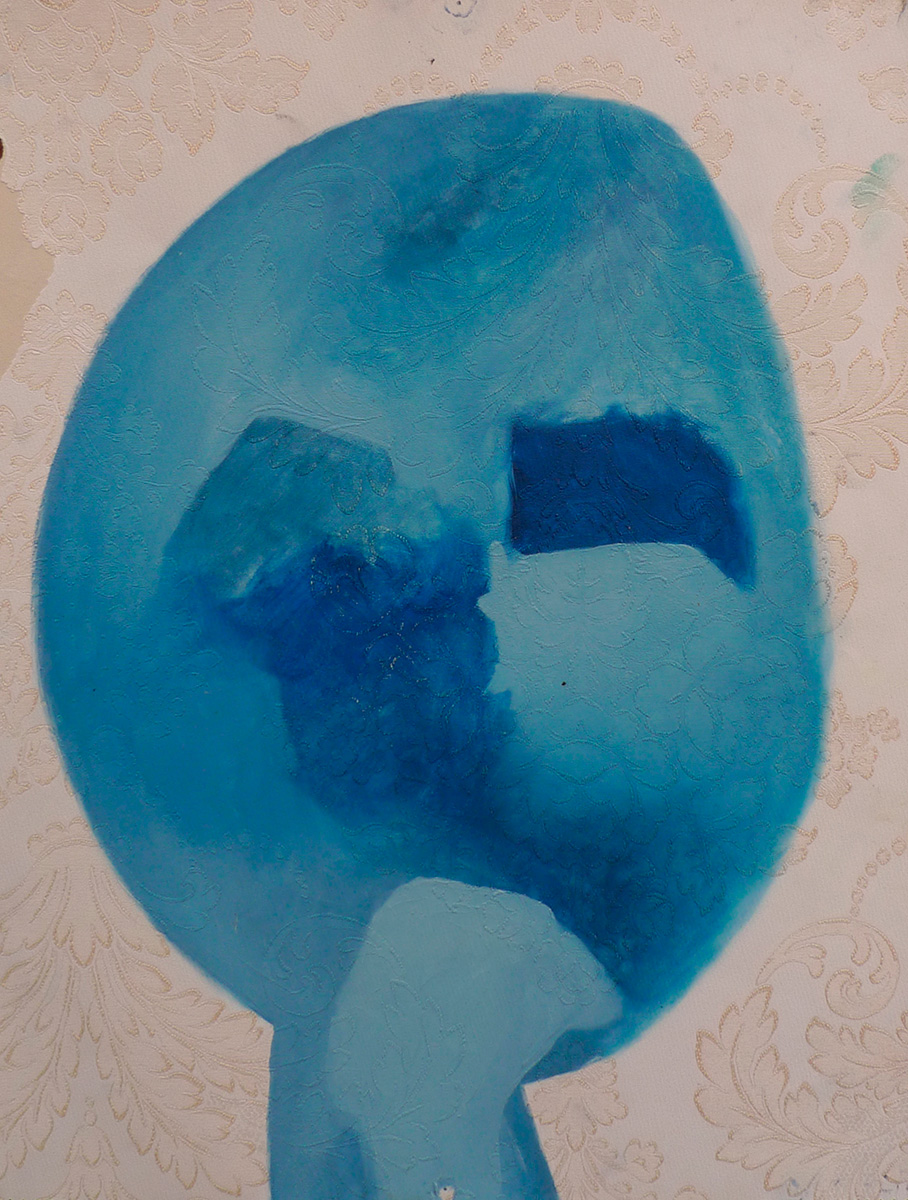
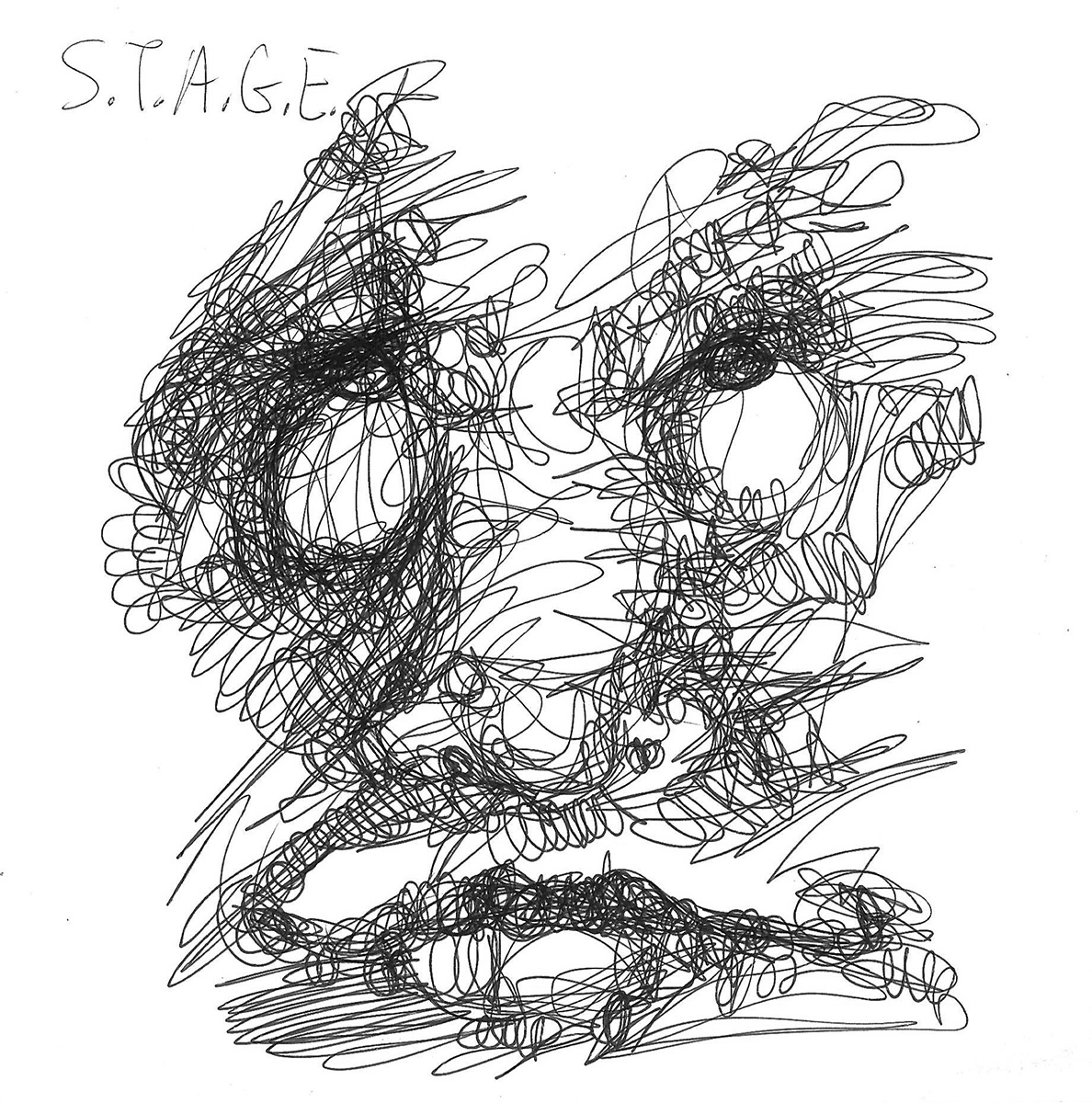
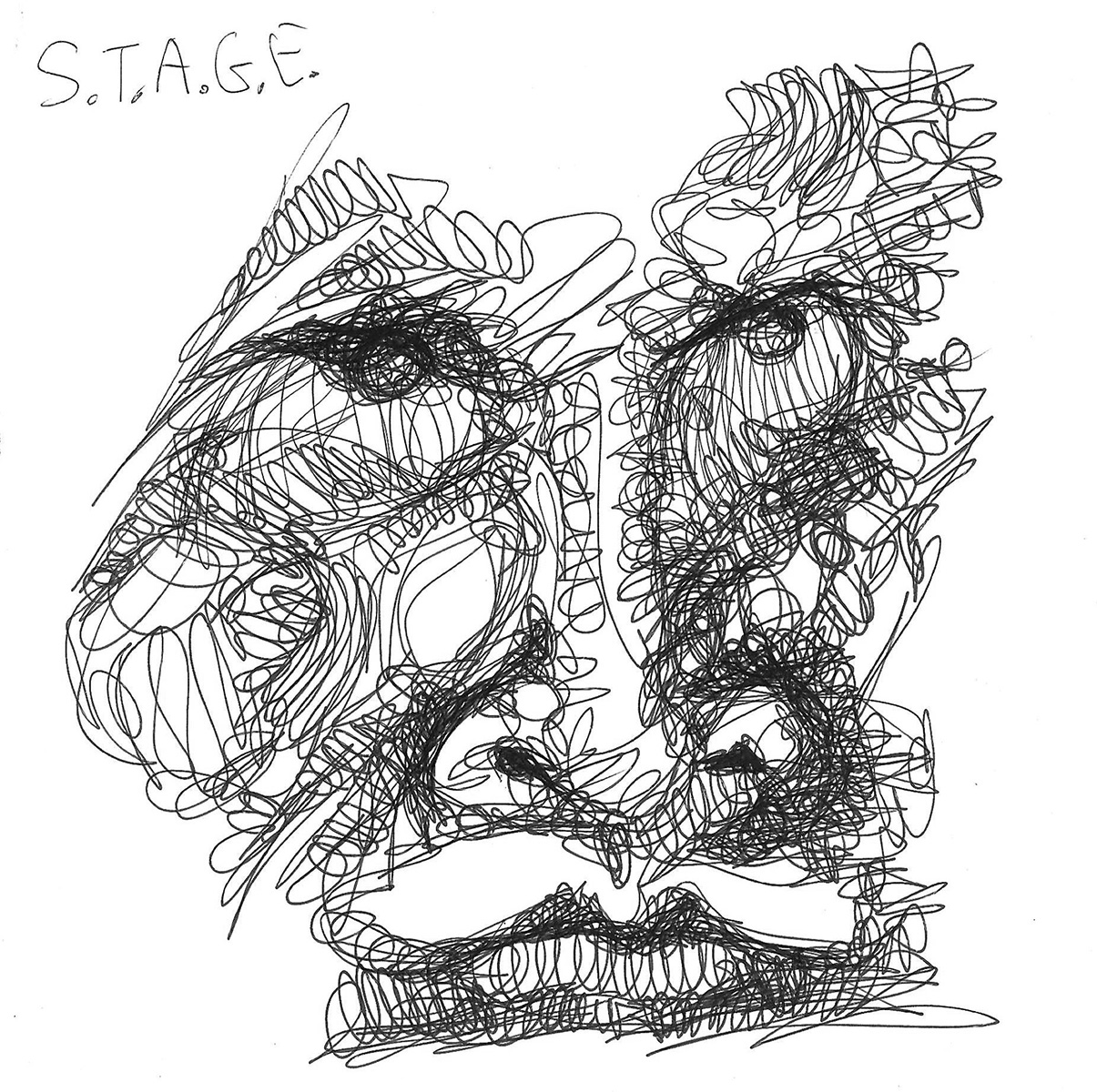
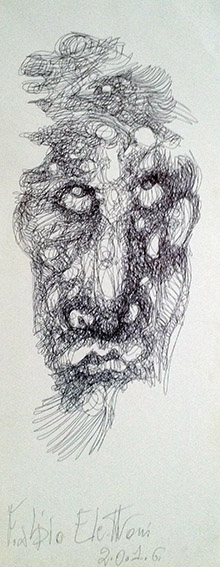
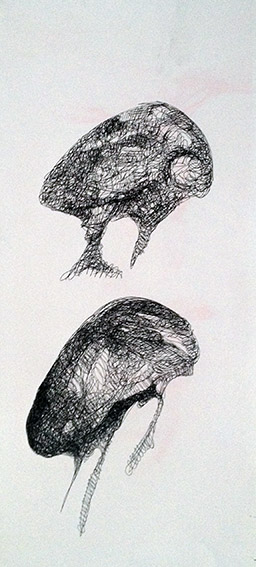
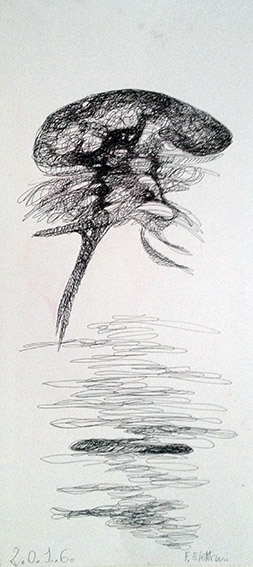
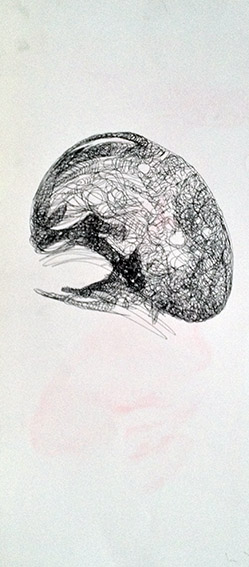
Cosimo Cavallo, whose real name is Fabio Elettroni, lives and works in Turin and he is among the artists supported by the Turin Mad Pride organisation (madpridesito.jimdo.com) and the Mai Visti e Altre Storie -Never Seen and Other Stories project (www.maivisti.it) run by the Arteco Association. He graduated at Albertina Academy, with a thesis on the concept of surface in Fellini’s cinema. He lived on the streets for several years and worked for a while as a social worker with psychiatric patients. The recognizability of his works is mostly connected with intricate labyrinths made in pen on paper from which eyes and mouths of severe faces emerge, floating on the surface of the sheet. But in addition to pen-and-ink drawing, painting has always represented for Cavallo the expressive language to investigate colour in its more specifically compositional potential: in his canvases, as well as in his cartoons or wallpapers, faces of alien humanoids converse with the pictorial material, creating suggestive overlaps between the layers of colour. The energy pulsing from his works is the same that runs through his acute sensibility as an artist and a human being capable of connecting with the deepest vibrations of reality.
He has exhibited at Trailer, a travelling group exhibition which is part of the Mai Visti e Altre Storie – Never Seen and Other Stories project, since the first edition of 2014 at the InGenio Arte Contemporanea gallery in Turin. He participated in the exhibition entitled Mi stavo imbattendo nell’Infinito e mi sono ritrovato qua – I was running towards infinity and I found myself here, curated by Beatrice Zanelli and Annalisa Pellino from the Arteco Association for the art exhibition entitled Stare -To be, curated by Alessia Panfili and Luca Atzori, Palazzo Barolo, 2015 and the following installation at the Tornielli Museum in Ameno. He is the protagonist of La stocastica – Stochastics, a film by Wermir Werner Swarzenfrei. In 2016 he exhibited at Palazzo Barolo in the two-person exhibition entitled Tramare , Di filo in segno e di luogo in logo – Plotting. From the line to the symbol, from the location to the logo with Giustino Caposciutti, curated by Alessia Panfili and Tea Taramino. The documentary called Cosimo by the director Matt Giorelli was made in the same year (www .cinemaitaliano.info/cosimo). In 2017 he exhibited with Cervelli medusa – Jellyfish Brains in the three person solo exhibition called Nel folto del Segno – In the thick of the symbol, curated by Roberto Mastroianni for InGenio Arte Contemporanea. In 2018 he participated in the group exhibition Visioni fra cielo e terra – Visions between heaven and earth: Giorgio Barbero & C, curated by Tea Taramino and Alessia Panfili, at the Gli Acrobati gallery.










Ernesto Leveque
Ernesto Leveque
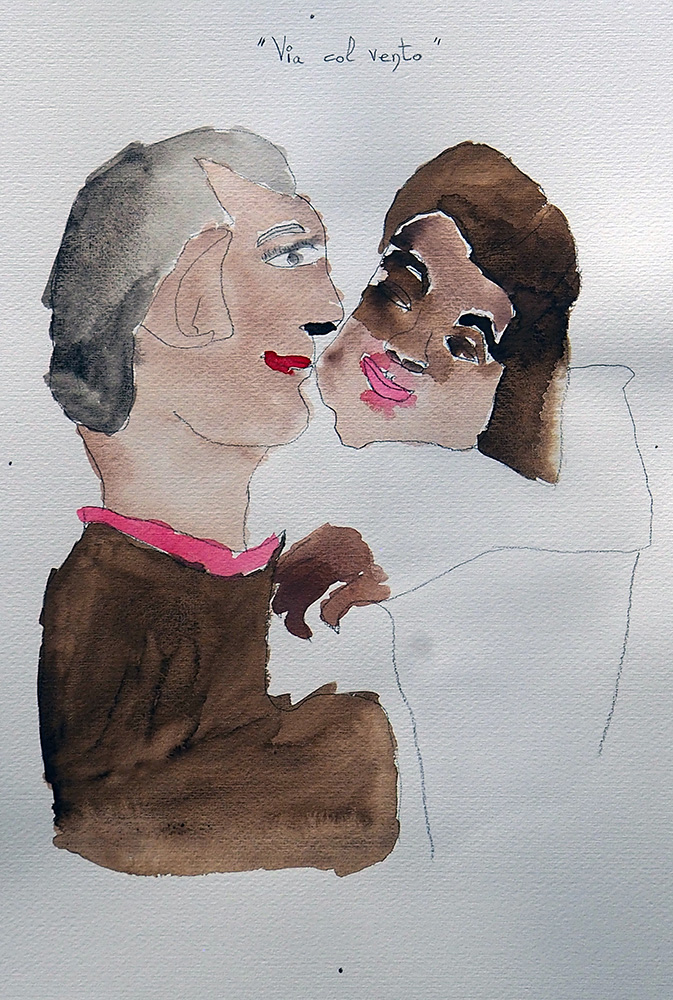
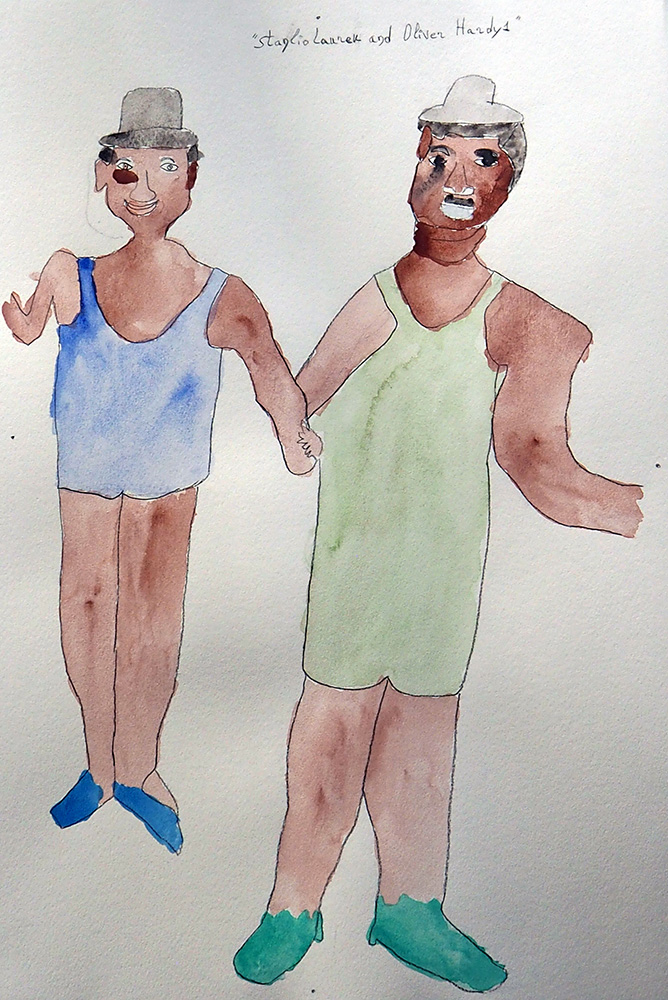
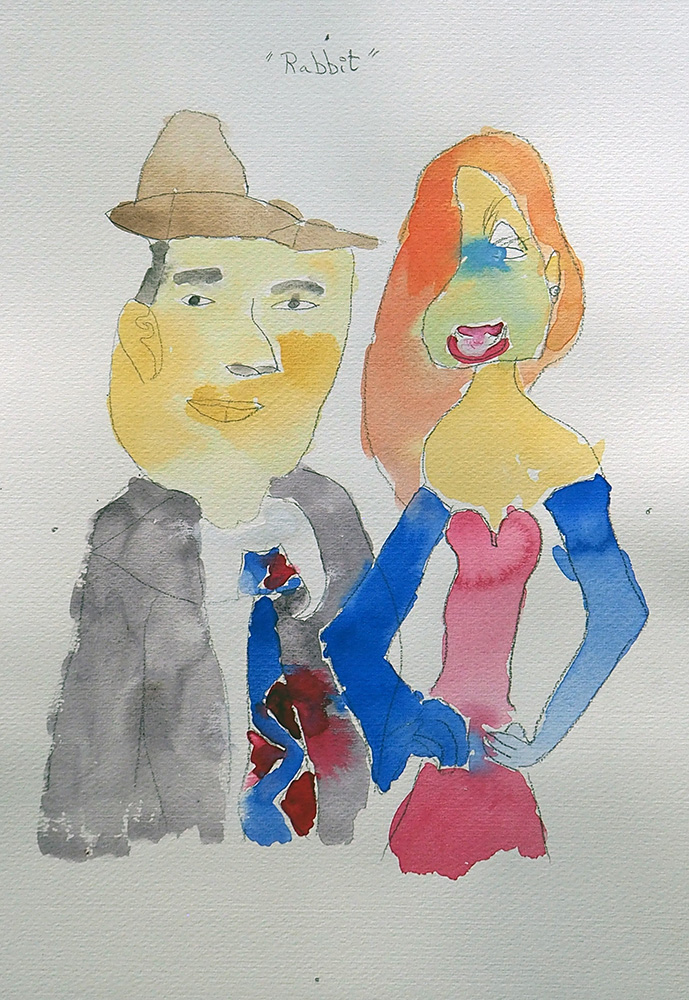
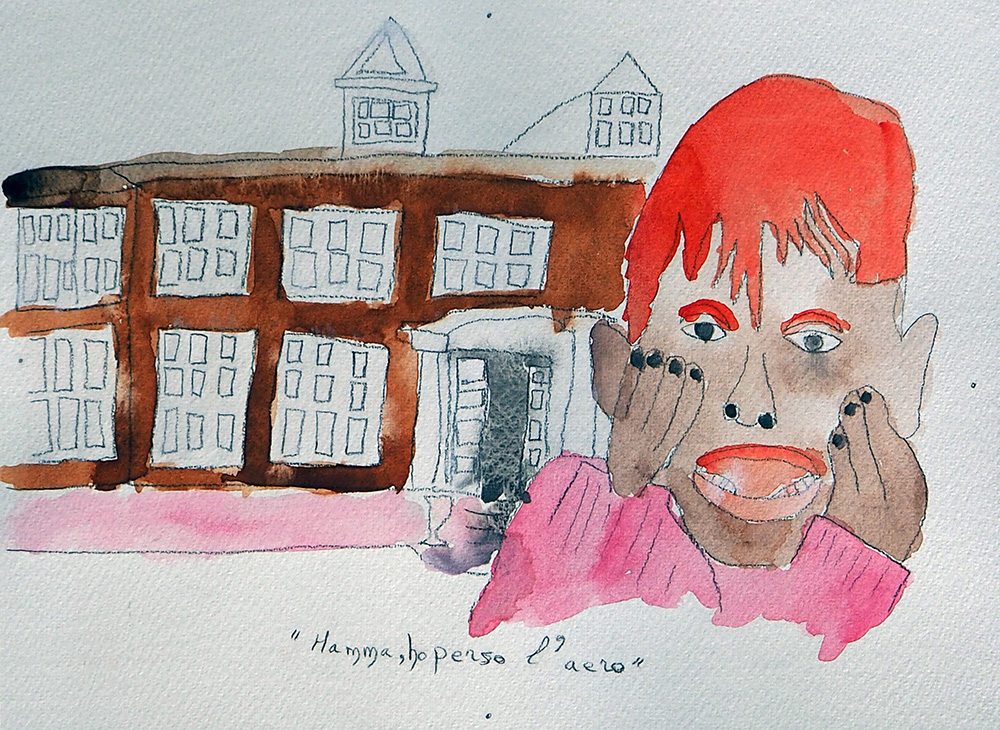
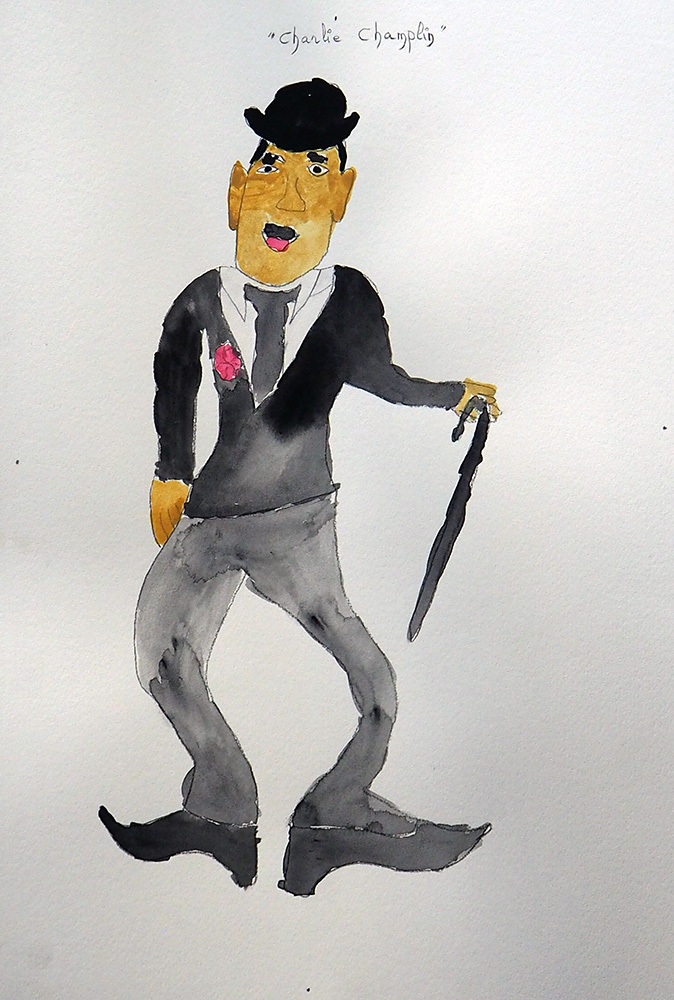
Born in 1964, he lives in England until the age of 9 and later moves with his family to Turin, where he currently lives and works. At the age of 16, after a long hospitalization, he discovers painting and begins collecting and representing all sorts of images. His means and techniques reflect the location and the context: watercolour in the atelier, notetaking and webcam recordings at home, digital photography with his smartphone or camera outdoors. He is constantly switching from medium to medium, to construct and circulate meaning across them. As part of his practice, Leveque, a careful observer, develops a labyrinthic archiving methodology (on notebooks, PC and pen drive) of thoughts, events, people, objects, places, images and words, taken from newspaper scraps or his and other people’s daily life. From 2005, he frequents regularly the laboratory La Galleria in Turin and his work is part of their art brut collection. His work has been shown in several group exhibitions, both in Italy and abroad, and in a solo show at InGenio (Turin) in 2009. In 2013 he takes part to the project The art of making the difference, created and coordinated by the cultural anthropologist Annamaria Pecci, curated by Arteco, Prinp 2.0 Editore, Turin. The collaboration with artist Maya Quattropani was born from this project. He is part of TRAILER, a sample of the project MAIVISTI E ALTRE STORIE (www.maivisti.it), since the first stage in 2014. He has been published on the international illustration magazine Nu®ant (issue n.22). In 2016, he is part of the exhibition Archival Practices, curated by Arteco for NESXT. His work is part of the archive Mai Visti (Unseen) of the Municipality of Turin.







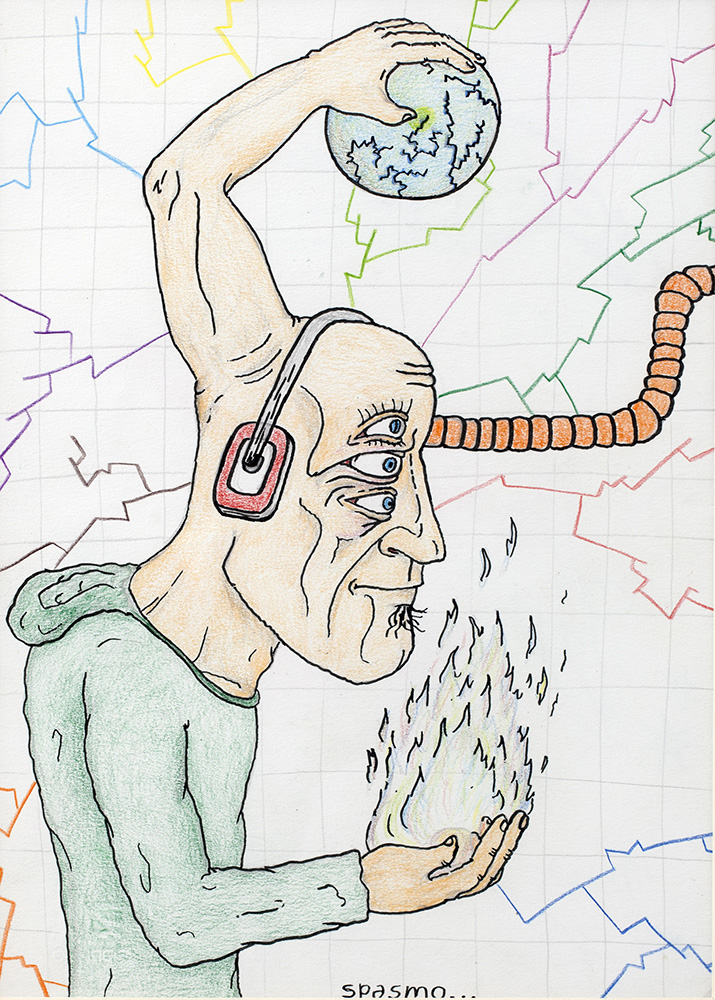
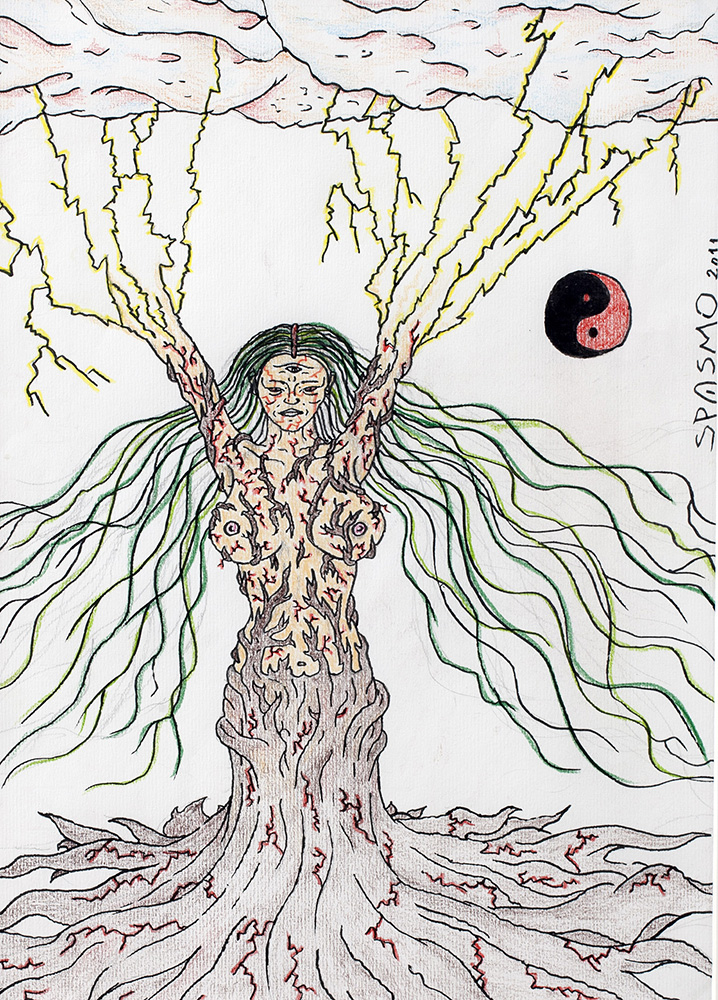
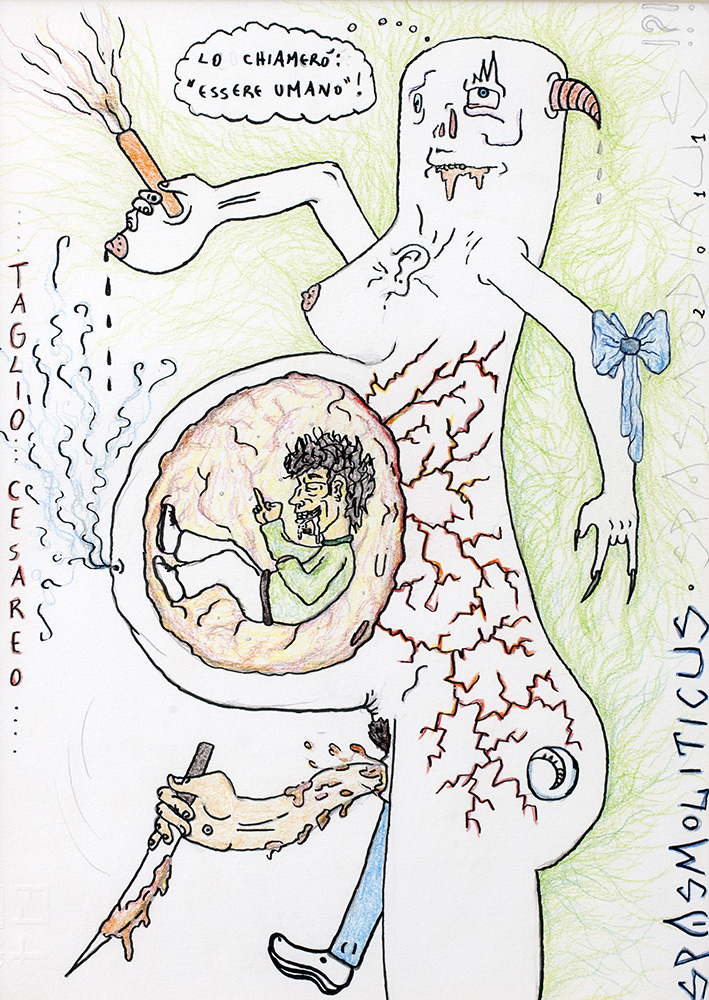
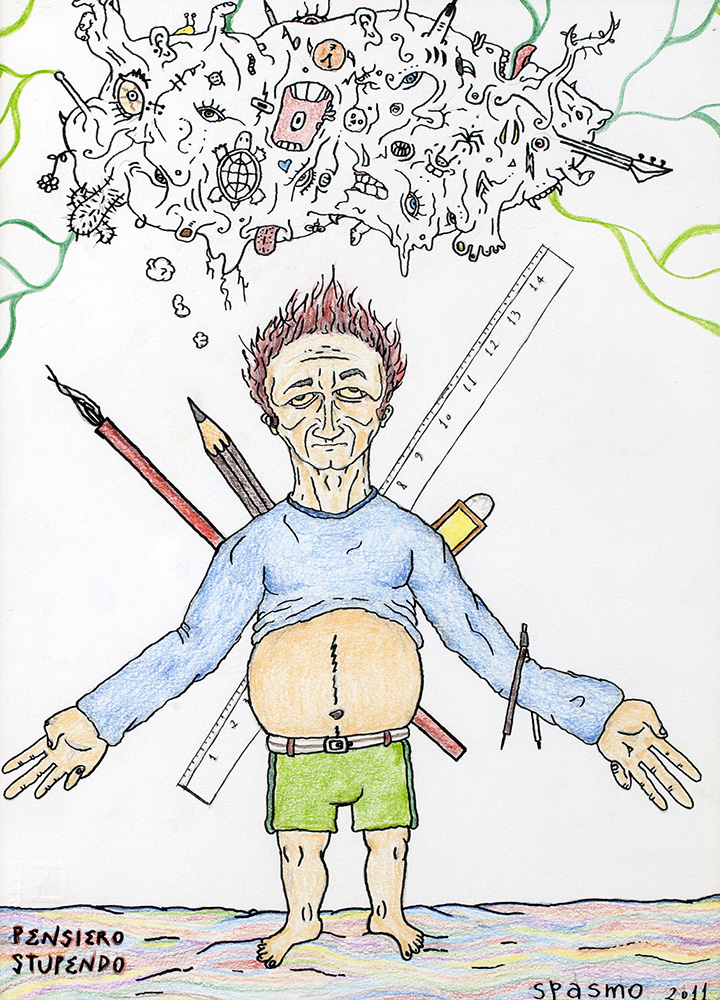
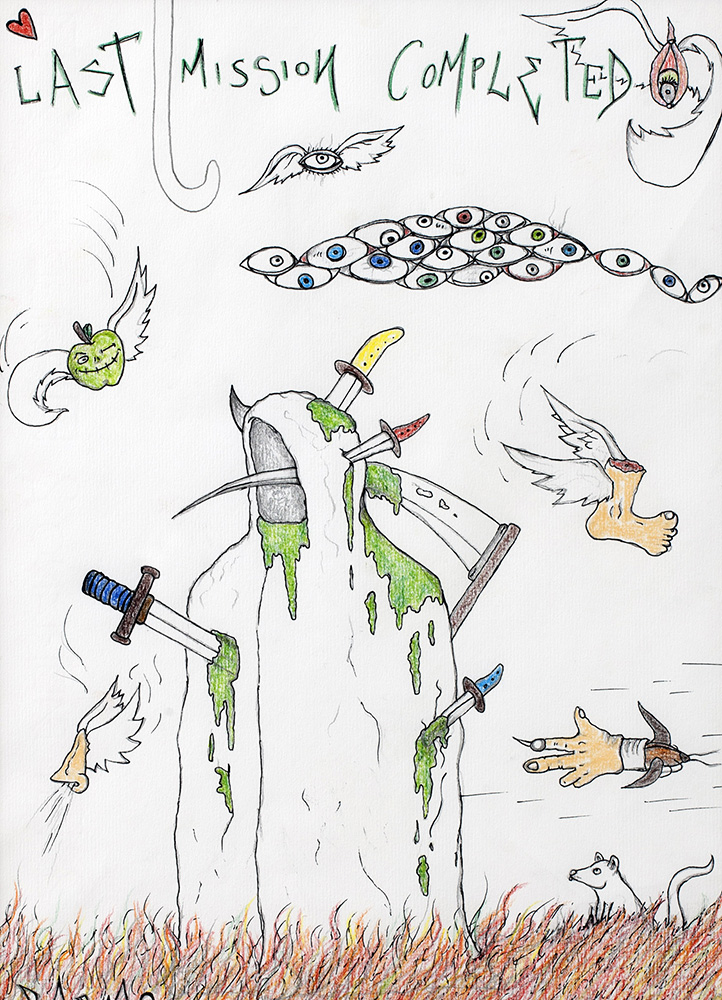
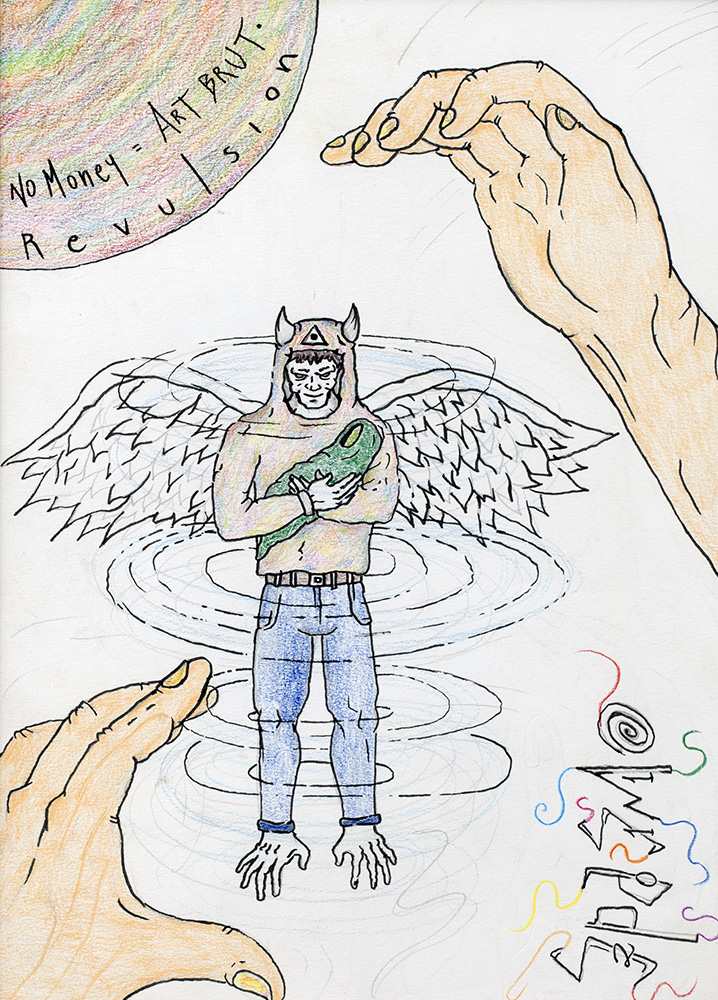
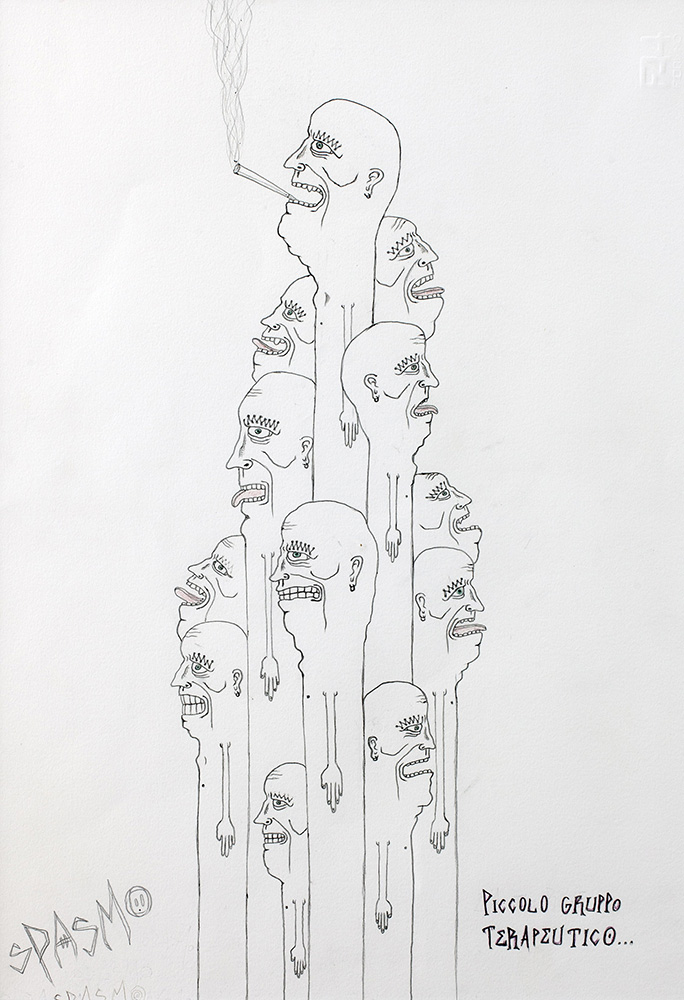
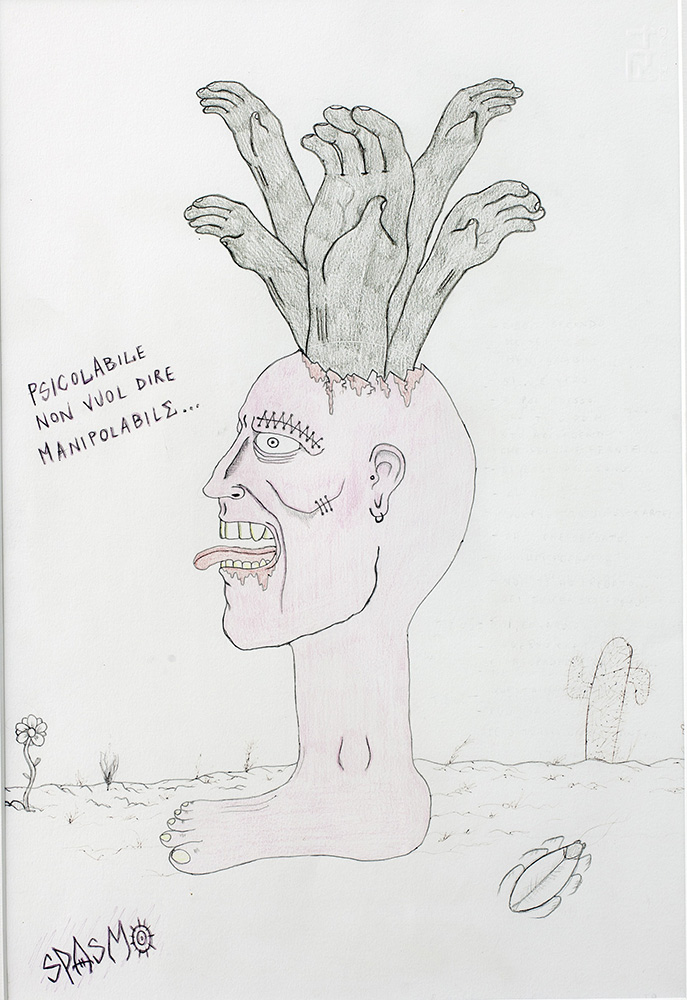
Giuliano Spasmo Addari
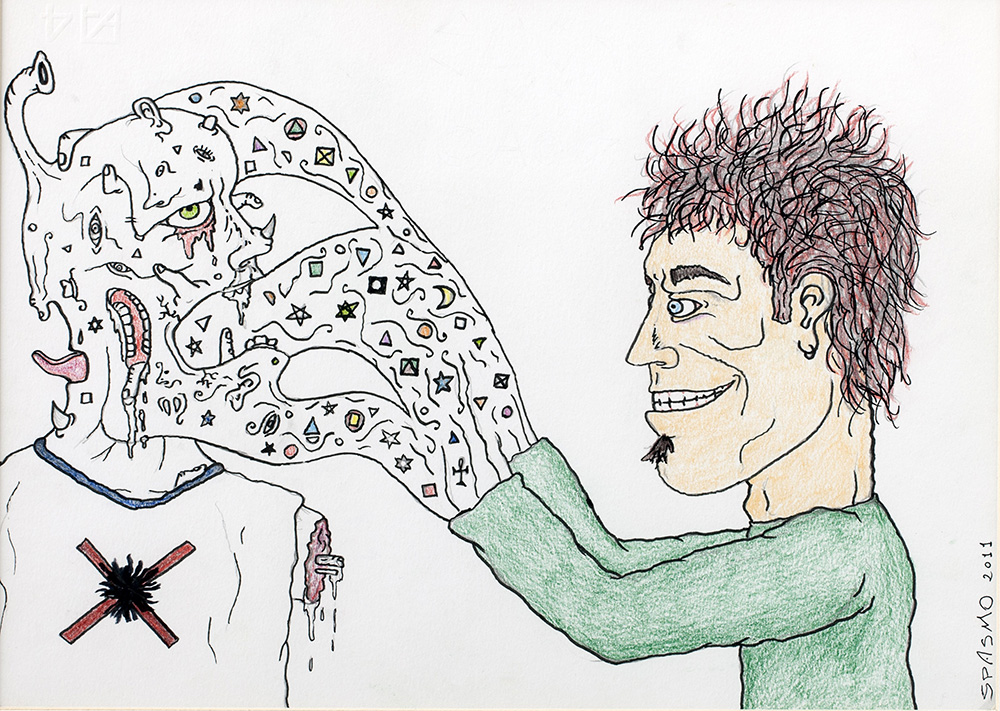
2009, Personal exhibition, La prima morte non si scorda mai – The first death is never forgotten- , curated by Francesco Sena at the Circolo Culturale Amantes (Turin).
2013, Personal Exhibition, Obbligatory Revolution, curated by Francesco Sena at the Circolo Culturale Amantes (Turin).
Group exhibitions: 2010, MALAMENTE, curated by Francesco Sena at Palazzo Bertalazone in San Fermo (Turin)
2013, MALAMENTE 2, curated by Francesco Sena at the Rivara Castle – Contemporary Art Center – Municipality of Rivara (Turin)







Antonella Trasmundi
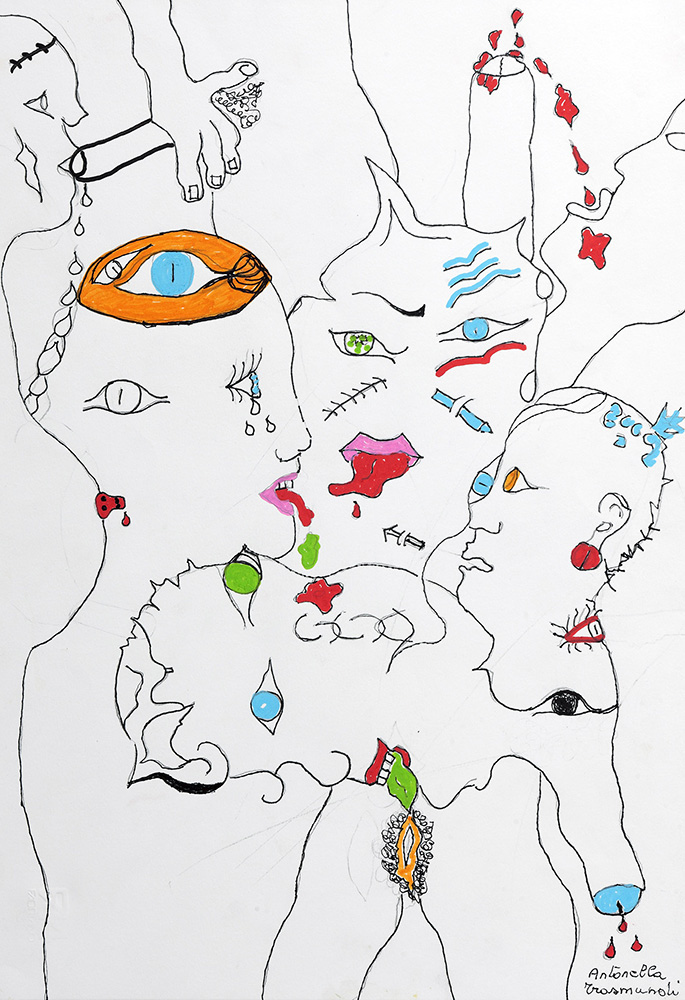
Antonella Trasmundi nata a Santa Croce di Magliano, Campobasso il 31 luglio 1975.
2016 Mostra collettiva, Art Ribel, a cura di Francesco Sena presso il Circolo Culturale Amantes (Torino).
2014 Mostra collettiva, Malamente Off, a cura di Francesco Sena presso il Circolo Culturale Amantes